
How to Store Furniture During Renovation Safely
A renovation can turn one clean room into a work zone fast. Dust finds its way into drawers, paint splatters travel farther than expected, and a sofa left in the wrong spot can slow down every contractor on the job. Knowing how to store furniture during renovation gives your crew room to work while protecting the pieces you plan to keep.
The right setup depends on the size of the project, the amount of furniture involved, and whether you need access to your belongings while work is underway. A small bathroom update may only require clearing an adjacent room. A whole-home renovation usually calls for storage outside the work area, where furniture is protected from dust, moisture, accidental damage, and repeated moving.
Start With a Room-by-Room Plan
Before moving a single item, walk through the renovation area and decide what must leave, what can stay, and what needs special handling. This saves time later and prevents the common mistake of shuffling the same heavy furniture from room to room as work expands.
Furniture should be removed from any room where contractors will cut, sand, paint, replace flooring, demolish walls, or carry materials. Even if a piece is covered, it can still be exposed to fine dust, humidity changes, dropped tools, or a tight path that makes bumps more likely.
Create three groups: items you will use during the renovation, items that can stay elsewhere in the home, and items that need storage. Keep daily essentials accessible, but be realistic. A dining table may seem useful until it becomes a landing spot for tools and building materials.
Take photos of valuable furniture before packing it. The photos provide a record of its condition and help you remember how pieces were arranged. Measure large items such as sectionals, armoires, beds, and desks, especially if they must pass through narrow hallways or doorways.
Decide Between On-Site and Off-Site Storage
The best storage location is the one that keeps furniture safe without making the renovation harder. For shorter projects with enough driveway or job-site space, an on-site portable storage container can be a practical choice. You can load at ground level, keep your belongings close by, and retrieve an item if plans change.
On-site storage works particularly well when renovation zones shift from one room to another. Instead of moving furniture into the garage, a spare bedroom, and then back again, you load it once and leave the interior clear. This also keeps contractors from working around stacks of furniture, which can improve access and reduce the chance of damage.
Off-site storage may make more sense if the driveway needs to stay open, local rules limit container placement, or the project will run for several months. It is also a good option when the house will be vacant, exposed to weather during major construction, or difficult to access while work is happening.
For homeowners in Fort Worth, Amarillo, and Oklahoma City, MODS can deliver a weatherproof steel container to the property, then move it to a secure facility if on-site storage is no longer the right fit. That flexibility matters when renovation schedules change, as they often do.
How to Store Furniture During Renovation Without Damage
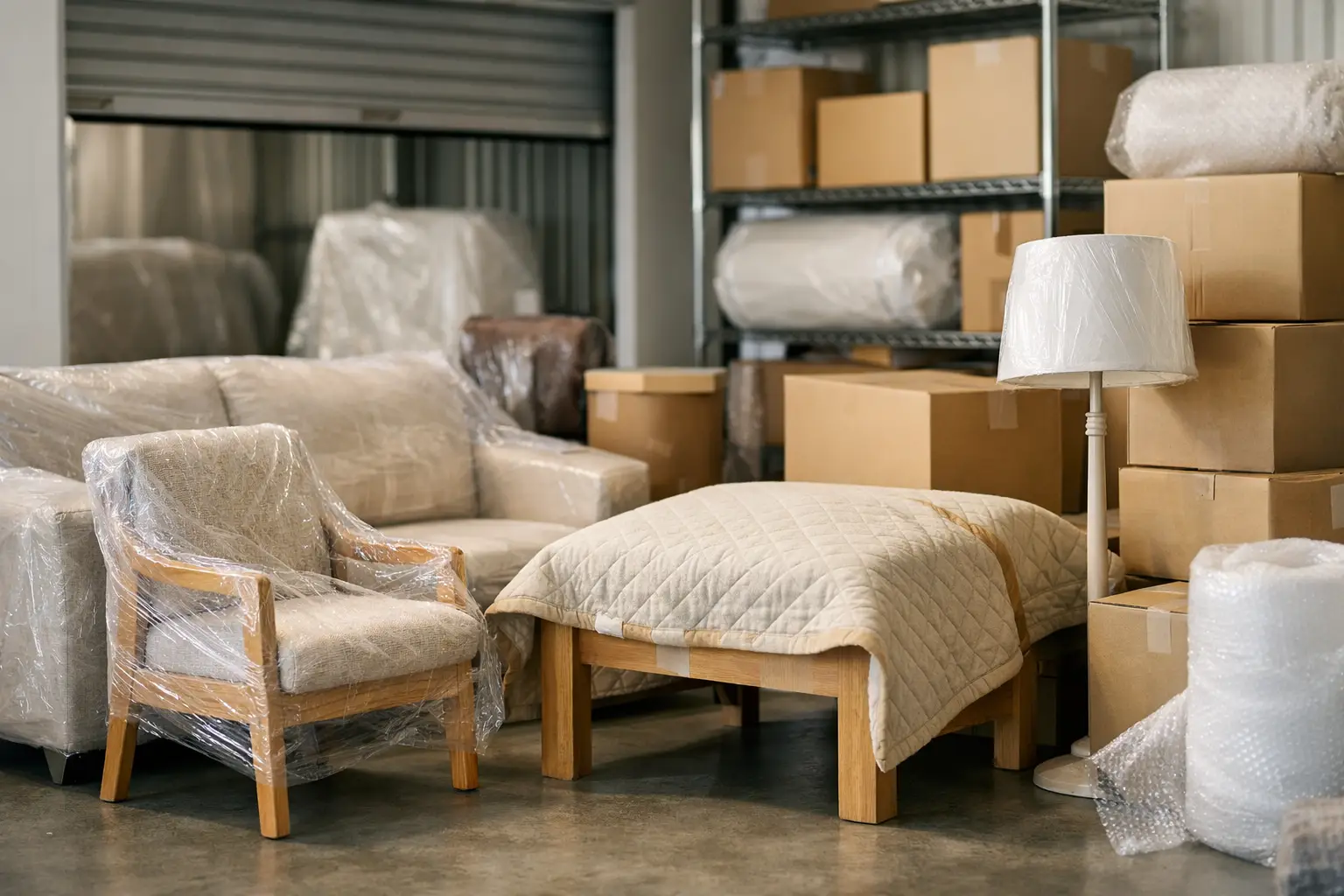
Packing furniture correctly matters as much as choosing where to put it. Renovation dust is abrasive, and plastic placed directly against wood or upholstery can trap moisture. Use clean moving blankets, furniture pads, or breathable cloth covers as the first protective layer.
Wrap wood, metal, and upholstered pieces individually. Secure pads with stretch wrap or packing tape around the padding, not directly on finished surfaces. For leather furniture, use a breathable cover and avoid storing it where heat and humidity are likely to build up.
Disassemble beds, tables, and shelving when it makes loading safer or creates more space. Put screws, bolts, brackets, and assembly instructions into labeled bags, then tape each bag to the underside or frame of its matching item. Do not leave hardware loose in drawers, where it can scratch surfaces or disappear during unloading.
Mattresses should be placed in protective bags and stored flat when possible. If they must stand on edge for a short period, keep them supported rather than bent. Mirrors, glass tabletops, and framed artwork need corner protection, a sturdy box or moving carton, and a clearly marked place where they cannot shift.
Clean and Dry Everything First
Do not store furniture straight from a dusty room or damp garage. Wipe hard surfaces, vacuum upholstery, and let every item dry completely. A little preparation reduces odors, mildew risk, and the chance that grit will scratch a finish while the item is wrapped.
This is also the time to empty drawers and cabinets. Heavy drawers can weaken during a move, and loose contents may shift. If a dresser is light enough to move safely with soft items inside, make sure drawers are secured and the furniture is adequately supported.
Load in a Way That Protects Access and Stability
A storage container is not just a place to stack belongings. Load it with the next step in mind. Put the largest, heaviest pieces along the walls and toward the front, distributing weight evenly from side to side. Keep legs, corners, and delicate edges padded so pieces do not rub together during loading or transport.
Use the vertical space carefully. Mattresses, headboards, and large flat items can often stand upright along a wall, but they should be secured so they cannot fall. Place boxes on top of sturdy furniture only when the surface is protected and the weight is reasonable.
Leave a narrow aisle if you expect to need certain items during the renovation. Seasonal clothes, files, a specific appliance, or replacement hardware should be near the door rather than buried behind a sectional and a stack of boxes. Label boxes on at least two sides with the room and general contents.
Avoid packing furniture directly against container doors. A shifted box or chair can make it difficult to open the doors safely later. Use straps or a load bar when appropriate to keep the last row stable.
Protect Furniture From Renovation Conditions
Steel containers with sealed doors and ventilation offer meaningful protection from rain and windblown debris, but your packing decisions still matter. Do not store wet rugs, damp cushions, fresh lumber, open paint cans, chemicals, propane tanks, or anything that can leak, off-gas, or create a fire risk.
Consider the season and the materials you are storing. Solid wood furniture generally handles temporary storage well when it is clean, covered, and kept dry. Antiques, musical instruments, fine art, and highly sensitive electronics may need climate-controlled storage or a more specialized arrangement. The cost is worth weighing against the value and condition of the item.
If you are keeping a container on-site, choose a level placement area that does not block contractor access, utility work, or emergency paths. Ask your renovation team where deliveries, dumpsters, and equipment will go before scheduling storage delivery. A little coordination can prevent costly repositioning later.
Keep the Timeline Flexible
Renovations rarely follow the original calendar exactly. Flooring may be delayed, an inspection may push work back, or a simple wall removal may uncover a larger repair. Choose storage that can stay in place month to month rather than forcing you to rush furniture back into an unfinished home.
Before moving items back in, wait until sanding, painting, flooring installation, and major cleanup are complete. Bring furniture into finished rooms gradually, starting with the pieces you need most. Check floors and walls for full cure times, particularly after refinishing or fresh paint, so heavy furniture does not leave marks.
A clear storage plan gives the renovation room to move and gives your furniture a better chance of coming back exactly as it left. Pack carefully, keep the work area open, and give yourself enough time to return each piece when the home is truly ready.