
Ground Level Loading Storage Container Benefits
A steep ramp and a tight deadline can turn a simple move into a long, frustrating day. That is why many people start looking for a ground level loading storage container instead of a truck rental or a raised portable unit. When the container sits at ground level, loading gets easier, heavier items feel more manageable, and you can work on your own schedule instead of rushing to beat a return time.
For homeowners, renters, business owners, and contractors, that difference matters more than it may seem at first. The design of the container affects how you pack, how safely you move items, and how much strain the job puts on your back, knees, and time. Ground-level access is not just a feature on a spec sheet. It changes the day-to-day experience of using portable storage.
What a ground level loading storage container really means
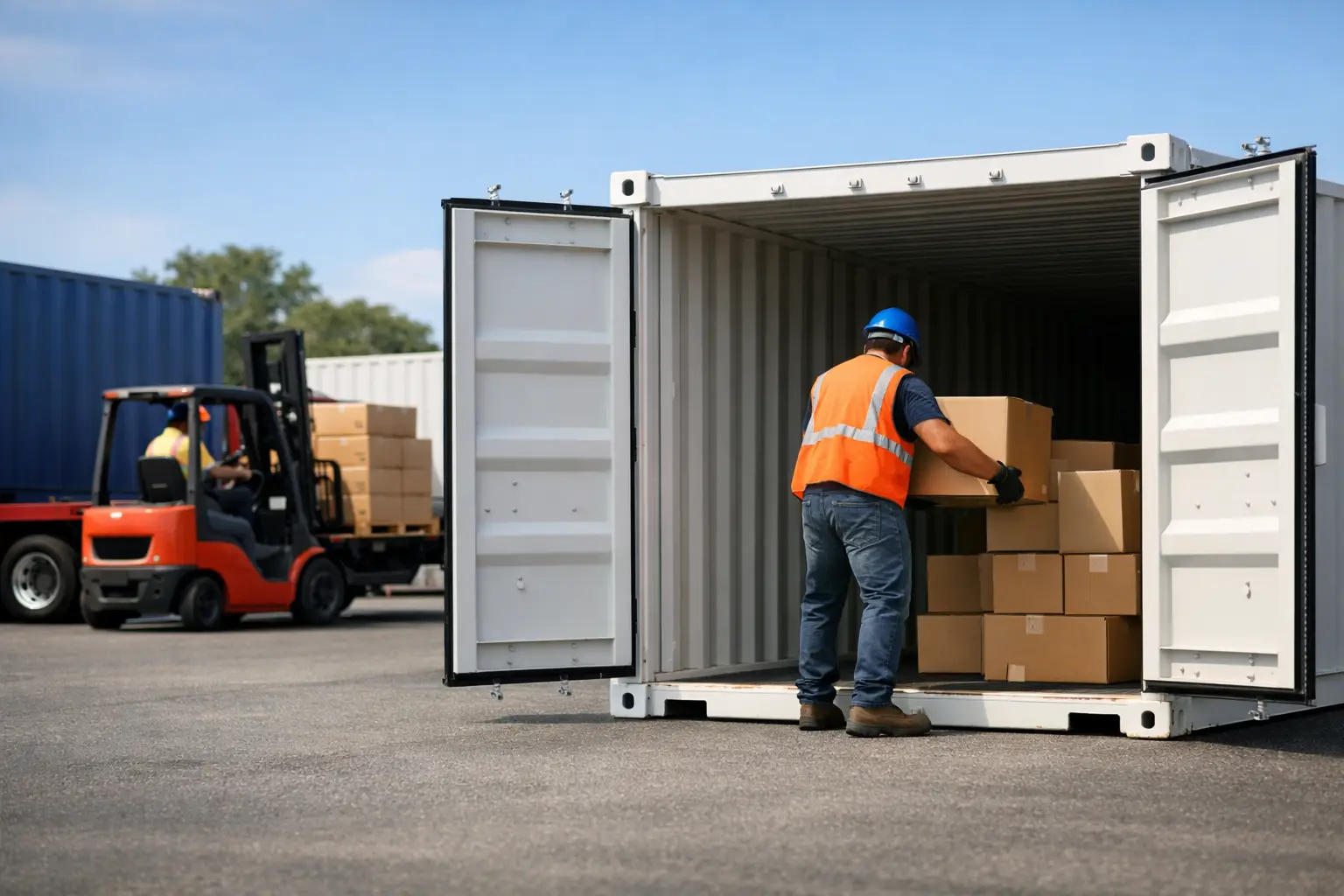
A ground level loading storage container is exactly what it sounds like – a container delivered so the floor sits close to the ground rather than up on a trailer or chassis. Instead of dealing with a high step or a long loading ramp, you can walk items in more directly.
That setup is especially useful when you are moving furniture, appliances, inventory, tools, or boxes over several days or weeks. You do not have to cram everything into a single afternoon. You can load steadily, organize as you go, and avoid the pressure that comes with truck rentals and fixed return windows.
For many customers, the biggest advantage is not speed. It is control. You can pack when you have time, stop when you need to, and pick back up without your whole plan falling apart.
Why ground-level loading makes the job easier
The most obvious benefit is physical effort. Pushing a dolly or hand truck up a ramp takes more force than rolling it across a flat surface. Carrying boxes into a raised unit also increases the chance of slips, awkward lifts, and broken items.
Ground-level loading reduces those problems. If you are moving a sofa, washer, filing cabinet, or stacks of materials, every inch matters. Less lifting usually means less fatigue, and less fatigue often means fewer mistakes.
This is one reason portable storage works well for people juggling a lot at once. A family in the middle of a remodel may need temporary storage without constant trips across town. A small business may need room for overflow inventory but still want easy access during the rental period. A contractor may want tools and materials on site without adding extra handling every time something gets moved.
The lower entry point will not solve every moving problem, but it removes one of the most annoying ones.
Better for bulky and heavy items
Heavy items are where the difference becomes clear fast. Think refrigerators, dressers, retail shelving, office furniture, or job-site equipment. When there is no steep incline involved, loading feels more predictable and safer.
It also helps with fragile items. A flatter path means less bouncing and less tipping while moving things in and out. That matters if you are storing electronics, displays, boxed inventory, or household items you do not want shifting around before they even make it inside the container.
Easier for longer loading timelines
Not every customer wants to pack everything in one day. In fact, many do better when they can work in stages. A ground-level container supports that approach because it is less tiring to use repeatedly.
If you are cleaning out a house before listing it, downsizing after a life change, or managing a renovation, you may be loading a few items at a time for days. A setup that is easy on day one is even more valuable on day ten.
Ground level loading storage container vs. traditional options
If you are comparing options, the best choice depends on what kind of problem you are trying to solve.
A moving truck can work if you have a short timeline, enough help, and a plan to load and unload all at once. But truck rentals come with hard deadlines, driving responsibilities, fuel costs, and often a lot more stress. Traditional self-storage can make sense for long-term off-site use, but it usually means multiple trips, repeated loading and unloading, and the extra time of driving back and forth.
A ground level loading storage container sits in the middle in a useful way. It gives you on-site access and flexible timing, but it can also be moved to another location or taken to secure storage when you are ready. That combination is what makes portable storage practical for both moving and temporary storage.
There are trade-offs. If your property has limited space or access restrictions, placement may take some planning. If you need climate control for sensitive items, you should ask about what belongs in a standard weatherproof steel container and what should be stored differently. Portable storage is flexible, but it still works best when the container matches the job.
Features that matter beyond the loading height
Ground-level loading is a major benefit, but it is not the only thing worth checking. The container itself matters.
Steel construction provides a stronger shell than lighter materials and holds up better for real-world storage use. Weather resistance matters too, especially in Texas and Oklahoma where heat, wind, and storms can be part of the equation. Good door seals and ventilation help protect what is inside from moisture and stale air.
Delivery also matters more than many people expect. A container can be well built, but if it is handled poorly during drop-off or transport, items inside can shift. That is why a level delivery system is worth paying attention to. Keeping the container level during placement and pickup helps reduce unnecessary movement and gives you a more stable loading experience from the start.
Who benefits most from this kind of container
Homeowners often use portable storage during moves, remodeling projects, estate cleanouts, or home staging. In those situations, convenience is not a luxury. It keeps the project moving without taking over every weekend.
Renters and families like having time to sort, pack, and load without paying for a truck they are not actively using. If your closing dates or lease timing do not line up perfectly, portable storage can give you breathing room.
Small businesses can use a ground-level container for inventory overflow, records, equipment, seasonal stock, or office transitions. Being able to load gradually and keep the unit close by can save staff time and reduce disruption.
Contractors and construction-related clients often need secure job-site storage that is practical to access every day. Ground-level entry helps when crews are moving tools, supplies, and materials in and out regularly. It is a simple feature, but on a busy site, simple usually wins.
What to ask before you rent one
Before choosing a provider, ask how the container is delivered, whether it stays level during transport, how weatherproof the unit is, and what size best fits your project. You should also ask about rental flexibility. Monthly service works well for a lot of customers because real timelines often shift.
It is also smart to think about placement. Make sure there is enough space for delivery and for opening the doors fully. If the container will sit at your home or business for a while, consider how often you will need access and whether the location makes loading easy throughout the rental period.
If you are in Fort Worth, Amarillo, or Oklahoma City, working with a local company can help here. Local service usually means clearer scheduling, more direct communication, and fewer surprises if plans change.
Why this feature saves more than effort
People often focus on price first, which makes sense. But the real cost of moving and storage includes time, repeat trips, rushed packing, and damaged items. A ground-level unit helps reduce those hidden costs by making the process simpler from the beginning.
That is the real value. You are not just renting metal space. You are getting a setup that works with how people actually move and store things. MODS built its service around that idea – deliver a durable container, let customers load on their own time, then move or store it when they are ready.
If you are weighing your options, think about the actual loading experience, not just the monthly rate. A container that is easier to access usually leads to a smoother project, fewer headaches, and a better result from start to finish. When storage fits real life, everything around it gets easier too.