
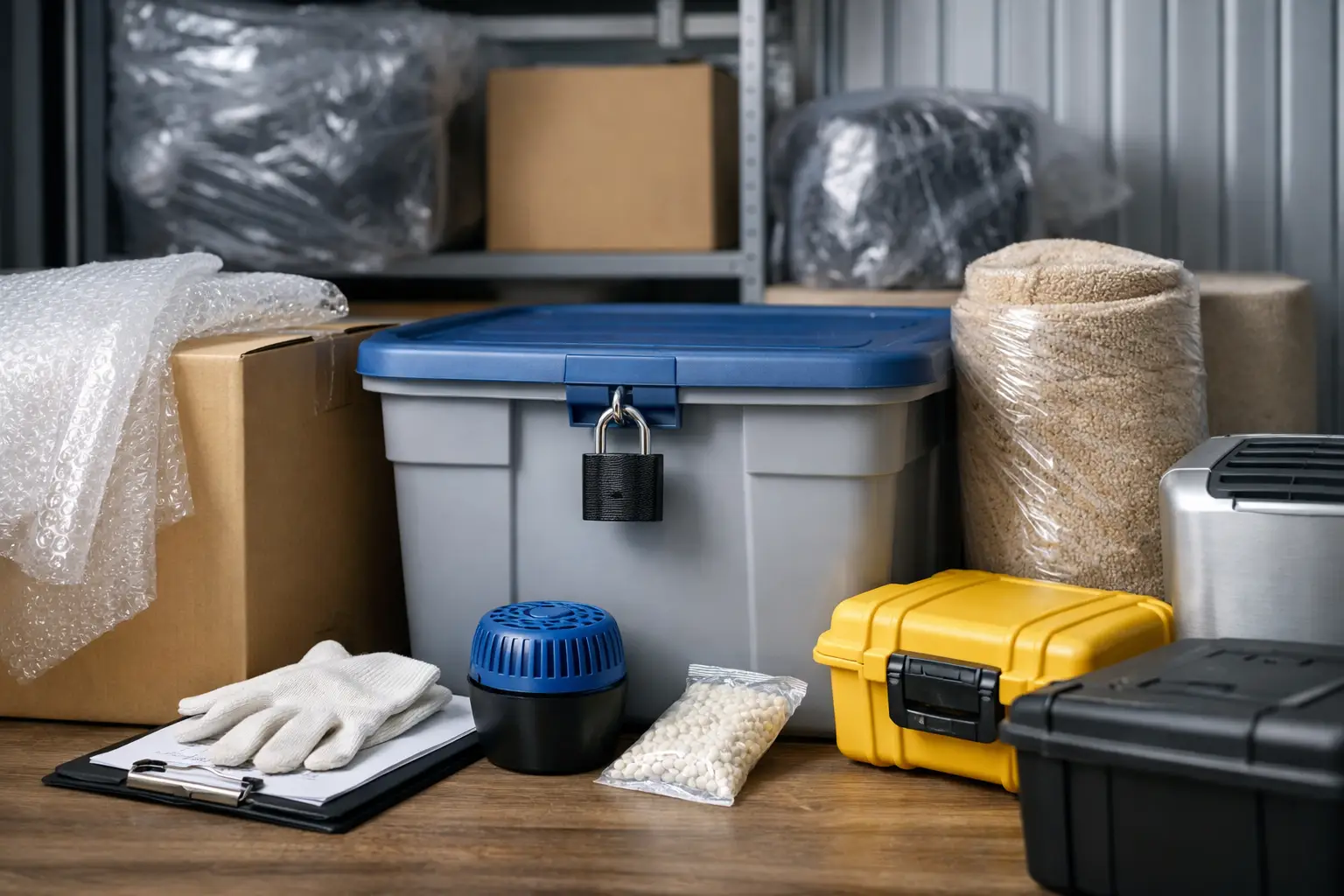
How to Protect Items in Storage
A storage unit usually does not cause damage all at once. What gets people is the slow stuff – trapped moisture in a taped-up box, a table leg carrying too much weight, a mattress wrapped the wrong way, or a rushed loading job that shifts later. If you want to know how to protect items in storage, the answer starts before the first box goes in.
Good storage protection is really about reducing pressure, moisture, dust, and movement over time. That applies whether you are storing household goods during a move, keeping furniture out of the way during a remodel, or making room for business inventory and job-site materials. A weatherproof container helps, but packing and loading still matter.
How to protect items in storage from the start
The biggest mistake is treating storage like a fast cleanout. People grab whatever boxes are left, overpack them, stack them unevenly, and assume the container itself will do all the work. It will not. Protection comes from the combination of the right materials, the right packing method, and the right loading plan.
Start by sorting items by weight, fragility, and sensitivity to temperature or moisture. Heavy, durable items can handle lower positions and tighter stacking. Fragile items need more support and less pressure. Soft goods like clothing, linens, and upholstered pieces need to stay clean and dry, but they also need some airflow. That balance matters more than many people realize.
Before anything gets packed, clean it. Dirt, crumbs, and residue create problems in storage because they sit for weeks or months without attention. Food traces can attract pests. Moisture left on appliances or patio furniture can lead to mildew or surface corrosion. Even a little dust trapped under plastic can leave you with more cleanup than expected later.
Use the right packing materials
Not every box belongs in storage. Old grocery boxes, weak moving cartons, and overused tape are fine for a quick trip across town, but not for long-term protection. Storage needs stronger support because items sit under constant weight.
Use sturdy moving boxes in consistent sizes whenever possible. Uniform boxes stack better, which reduces leaning and collapse. Plastic bins can work well for certain items, especially documents, tools, seasonal decor, or inventory that needs extra protection from dust. But bins also have trade-offs. Some crack under heavy loads or trap humidity if items go in damp, so they are not automatically better than cardboard.
Wrap breakables with packing paper, bubble wrap, or moving blankets. Avoid relying on newspaper for anything delicate or porous because ink can transfer. For furniture, use quilted moving pads or furniture blankets instead of wrapping every surface tightly in regular plastic. Plastic can be useful as an outer layer in some cases, but when it seals in moisture, it can create the exact problem you were trying to avoid.
Mattresses and upholstered furniture need proper covers made for storage or moving. The goal is to keep off dust and dirt without encouraging mildew. Wood furniture should be covered, but not suffocated. Glass items should be padded individually and packed upright when appropriate, not tossed flat into oversized boxes with empty space around them.
Moisture is the problem most people miss
If there is one issue that ruins stored items quietly, it is moisture. Not always a leak, either. Sometimes it is humidity from the air, damp items packed too soon, or poor airflow around tightly loaded belongings.
That is why dry packing matters. Make sure appliances are fully dry before storage. Refrigerators and freezers should be emptied, cleaned, and left dry with doors secured in a safe position for transport and storage. Washing machines need hoses drained. Coolers, bins, and trash cans should not hold hidden moisture at the bottom.
For clothing, books, paper records, and fabric items, use clean containers and avoid overstuffing. Crushed fabric can hold odors, and tightly packed paper can absorb ambient moisture more easily than people expect. If you are storing for an extended period, moisture absorbers can help in the right situations, especially with sensitive contents. They are not a substitute for proper packing, but they can add protection.
A weatherproof steel container with sealed doors and ventilation gives you a much better starting point than an exposed or poorly maintained space. Still, even in a strong container, the way you load affects airflow and long-term condition.
How to load a container without causing damage
Packing protects items individually. Loading protects them as a group. That is a different job, and it is where a lot of avoidable damage happens.
Put heavier items on the floor and distribute weight evenly from front to back. That keeps stacks more stable and reduces pressure on any one area. Place mattresses, box springs, and large furniture in positions that support them without bending. Stand pieces upright only when the item can handle that orientation safely.
Try to create flat, stable layers as you go. If one stack is tall and another is loose and short, movement becomes more likely during transport or over time. Fill gaps with light, crush-resistant items, padding, or secured boxes so belongings do not slide into each other.
Leave a small path if you may need access later. That sounds simple, but it matters for long rentals or mixed-use storage. Digging through a packed container to reach one box often leads to broken corners, torn wrapping, and unsafe shifting. If you know you will need business files, tools, or seasonal items before everything else comes out, load with that in mind.
Label boxes clearly on more than one side. You do not need a complicated inventory system, but broad labels like kitchen glassware, holiday decor, office files, or kids room make retrieval faster and reduce unnecessary handling.
Protecting furniture, appliances, and business items
Furniture needs more than a blanket tossed over the top. Disassemble what makes sense, especially bed frames, table legs, and large shelving units. Keep hardware in labeled bags taped securely to the item or stored together in a marked box. That saves time later and prevents stripped parts from disappearing.
For wood and upholstered furniture, avoid direct contact with dirty floors or sharp edges. Use pads, cardboard barriers, or pallets where appropriate. Do not stack heavy boxes on cushions or delicate tabletops. That pressure adds up over time.
Appliances should be clean, dry, and secured. If shelves or trays can move, tape or wrap them so they do not bang around in transit. Power cords should be bundled neatly. For TVs, monitors, and electronics, original boxes are best if you still have them. If not, use fitted boxes or add enough padding to keep the item from shifting inside the carton.
For small businesses and contractors, storage protection often means protecting usability, not just appearance. Inventory, tools, documents, and materials need to come out ready to work. Separate high-value items, avoid piling supplies in a way that creates crush damage, and keep what you use most often near the door. On a job site or during an office transition, fast access is part of protecting the item because less handling usually means less damage.
It depends on how long you are storing
Short-term storage and long-term storage are not exactly the same. If items will be stored for a couple of weeks during a move, your focus is mostly stability, basic wrapping, and clean packing. If storage will last for months, details matter more.
Long-term storage calls for better labeling, stronger box integrity, more attention to moisture control, and less pressure on furniture and fabric items. It is also worth thinking ahead about what could settle, sag, or absorb odors if left untouched. A rushed load might survive a weekend. It may not look so good after a season.
That is one reason portable storage works well for many homeowners and businesses. Ground-level loading makes it easier to pack carefully instead of rushing up a ramp, and a level delivery system helps reduce shifting during transport. If you are using a weatherproof steel container for storage in places like Fort Worth, Amarillo, or Oklahoma City, those physical features can make a real difference, especially when your contents include furniture, business supplies, or items you cannot afford to replace.
Common mistakes that lead to damage
A few habits cause the same problems again and again. Packing wet or dirty items is one. Using weak boxes is another. So is wrapping everything in airtight plastic without thinking about airflow.
People also damage stored belongings by loading too fast. They set one heavy piece against another without padding, leave open spaces where stacks can shift, or bury fragile boxes under things that clearly do not belong there. None of that feels serious in the moment. A month later, it does.
The good news is that protecting stored items is usually not complicated. It just takes a little planning and the discipline to load the container with the next month in mind, not just today.
If you treat storage like a holding pattern instead of a dumping ground, your belongings have a much better chance of coming out in the same condition they went in.