When an Onsite Container for Retail Overflow Fits
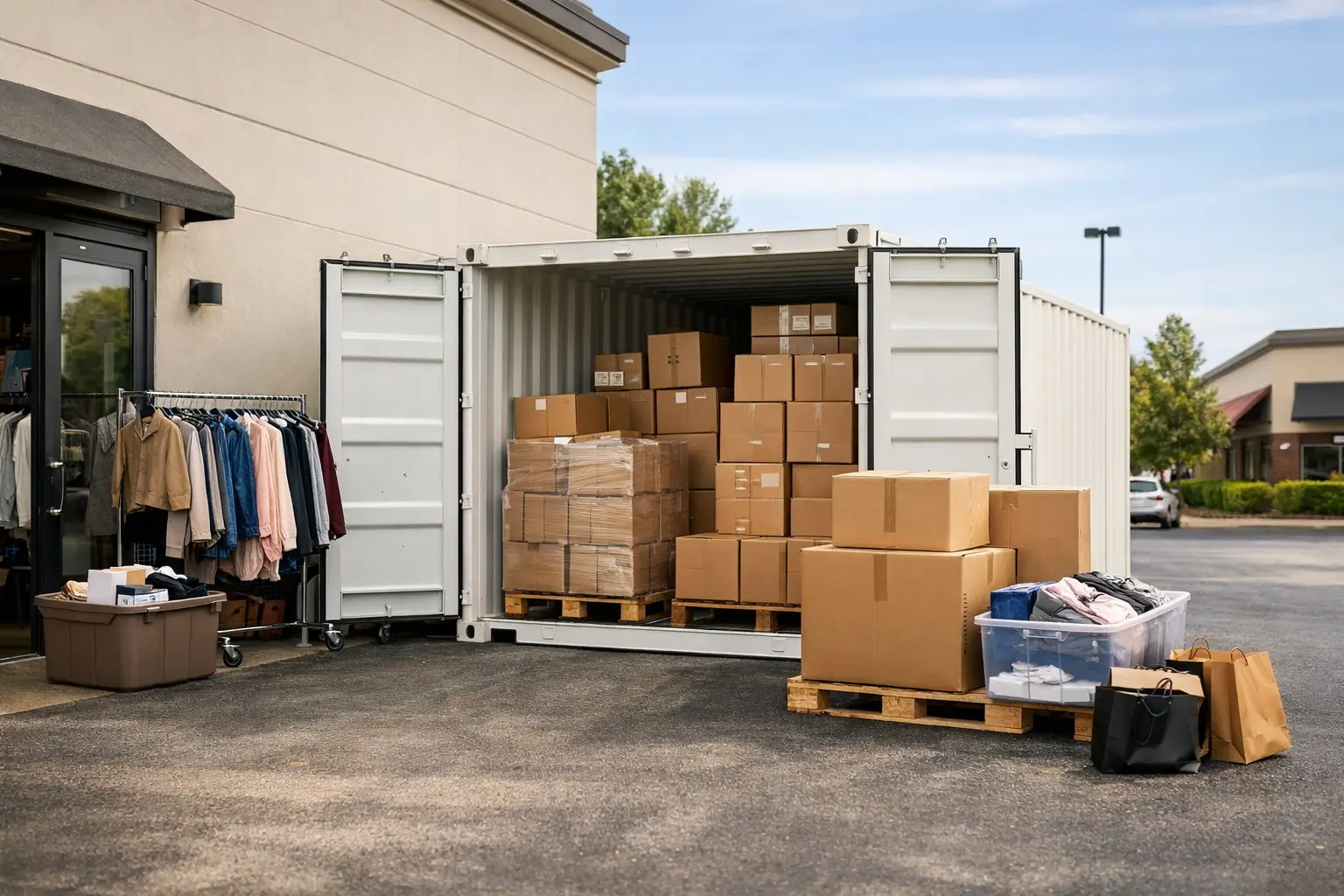
A back room can go from manageable to unworkable fast. One seasonal delivery, a floor-set change, or an unexpected shipment can block receiving areas, crowd employee space, and put sellable inventory where nobody can find it. An onsite container for retail overflow gives store teams a practical place to keep that excess close by without turning the sales floor or stockroom into a storage unit.
For retailers, the value is not simply having more square footage. It is having accessible space that follows the rhythm of the business. You can receive inventory, organize it by need, and pull it into the store when the timing is right – without repeated drives to an off-site storage facility.
When an Onsite Container for Retail Overflow Makes Sense
Retail inventory rarely arrives at a perfectly steady pace. Holiday merchandise may show up well before a display is ready. A clearance reset can leave racks, signage, and fixtures temporarily without a home. A new product launch may require space for cartons until the team can stock them properly.
An on-site container is a strong fit when the overflow is temporary, recurring, or tied to a known business event. That might mean a few busy weeks before the holiday rush, several months during a remodel, or a monthly need for storing promotional materials and shipping supplies.
It can also help stores with limited backroom space avoid a common problem: putting too much inventory in aisles, receiving lanes, or employee areas. Those shortcuts slow down daily work and can create safety concerns. Keeping overflow in a dedicated container gives the team a cleaner path from delivery to storage to the sales floor.
This approach is especially useful for independent retailers, pop-up operations, garden centers, furniture stores, specialty shops, and businesses that receive bulky goods. It is not always the right answer for products that need strict temperature control, specialized handling, or immediate high-volume picking throughout the day. In those cases, a climate-controlled warehouse or a redesigned stockroom process may be the better choice.
What Retailers Can Store in an On-Site Container
The best use of a container is usually organized overflow, not a catch-all for everything the store does not want to deal with. Plan it as an extension of the stockroom, with clear categories and a simple way for employees to find what they need.
Retailers commonly use portable storage for seasonal inventory, boxed merchandise, display fixtures, shelving, mannequins, point-of-purchase materials, packaging, bags, and cleaning supplies. It can also hold equipment during a renovation, such as counters, racks, furniture, or nonessential merchandise that needs to be moved out of the work area.
Keep product requirements in mind before loading. Food, pharmaceuticals, cosmetics, electronics, candles, and other temperature-sensitive items may have manufacturer storage requirements. Review those requirements before choosing container storage. Likewise, do not store hazardous materials, flammables, or anything prohibited by the rental agreement.
A weatherproof steel container provides dependable protection from rain and wind, but retail teams still need to pack smart. Use pallets or shelving where appropriate, keep boxes off the floor when possible, and avoid stacking cartons beyond what their packaging can handle. Label the visible side of each box so employees do not have to unpack half the container to find one item.
Keep the Receiving Area Moving
The real benefit of nearby overflow storage shows up on delivery day. When the truck arrives, staff can unload excess cartons into the container instead of trying to force every item into an already-full back room. The receiving area stays open, and employees can keep working through the shipment without disrupting customer traffic.
That does not mean everything should go outside automatically. Fast-selling items and everyday replenishment stock generally belong inside the store, where they are easiest to reach. Reserve the container for inventory that will be needed later, extra case packs, upcoming display materials, and items awaiting a scheduled floor reset.
Set up a simple rotation system so the container does not become forgotten storage. Many stores use a first-in, first-out approach for merchandise with dated packaging, seasonal products, or inventory that needs to move quickly. A basic inventory sheet, shared spreadsheet, or labeled zone map can make a major difference. The process does not need to be complicated, but someone should be responsible for keeping it current.
Placement Matters More Than Most Stores Expect
Before scheduling delivery, walk the property with the container in mind. You need a flat, accessible location that does not block loading docks, customer parking, fire lanes, waste pickup, or employee access. The best spot is close enough to support daily work but not so close that it creates congestion.
Also check property rules before delivery. Shopping centers, landlords, and local authorities may have requirements for temporary storage units, placement, duration, or visibility. Getting approval ahead of time helps prevent a rushed move after the container is already loaded.
Think about the path employees will take. If staff must carry cartons across an active parking lot, through a narrow alley, or around customer traffic, the container may save space while adding labor. A location near the receiving door is often ideal, provided it does not interfere with deliveries. Good placement reduces extra handling and makes the storage plan more useful from the first day.
MODS delivers steel portable storage containers at ground level, which makes loading easier for store teams moving boxes, fixtures, and supplies. Its Level Lift delivery system keeps the container level during transport, helping reduce shifting when a loaded unit needs to be moved to another location or into secure off-site storage.
Build a Container Setup Your Team Can Actually Use
A container can create order or hide disorder. The difference comes down to how it is loaded. Put the items you will need first near the doors. Place heavier cartons low, distribute weight across the floor, and keep a clear center path if employees will need to retrieve inventory regularly.
For a retail operation with several categories of overflow, divide the space into practical zones. One side might hold seasonal merchandise, another may hold fixtures and signage, while the rear stores items that will not be needed until the next floor change. Clear labels on shelves, cartons, and container zones prevent wasted time and duplicate orders.
Avoid loading it wall to wall on the first day simply because space is available. Leave room for incoming goods and for safe access. If a store expects frequent retrieval, shelving can be worth the setup effort. If the container is primarily holding equipment during construction, secure stacking and protection from scratches or moisture may matter more than aisle space.
Security is part of the plan as well. Keep the doors closed and locked when the container is not in use, limit access to authorized employees, and avoid leaving high-value merchandise in an unorganized pile near the entrance. Durable steel construction and double-sealed doors help protect stored items, while consistent store procedures help prevent loss and confusion.
Compare the Cost to the Problem It Solves
An onsite container has a monthly cost, and it takes up room on the property. It should earn its place by reducing a more expensive or disruptive problem. For many retailers, that problem is the labor and delay of repeated off-site storage trips, the need to rent temporary warehouse space, or the lost productivity caused by a packed stockroom.
Consider how often your team needs the items, how long the overflow will last, and what it costs when deliveries cannot move through the building efficiently. If the container will hold slow-moving merchandise for a year with no clear plan to sell, return, or relocate it, it may be masking an inventory issue rather than solving one.
For short-term peaks and operational transitions, however, the flexibility is hard to match. You can rent by the month, load on your own schedule, and decide later whether the container stays on-site, moves to another location, or goes to secure storage. That gives retail owners more control than a truck rental deadline or a distant self-storage unit.
Before the next shipment turns your back room into a bottleneck, measure the available space, identify what truly needs to move, and map where employees will retrieve it. A well-placed container can give your store the breathing room to keep selling, restocking, and serving customers without making every busy season feel like an emergency.