
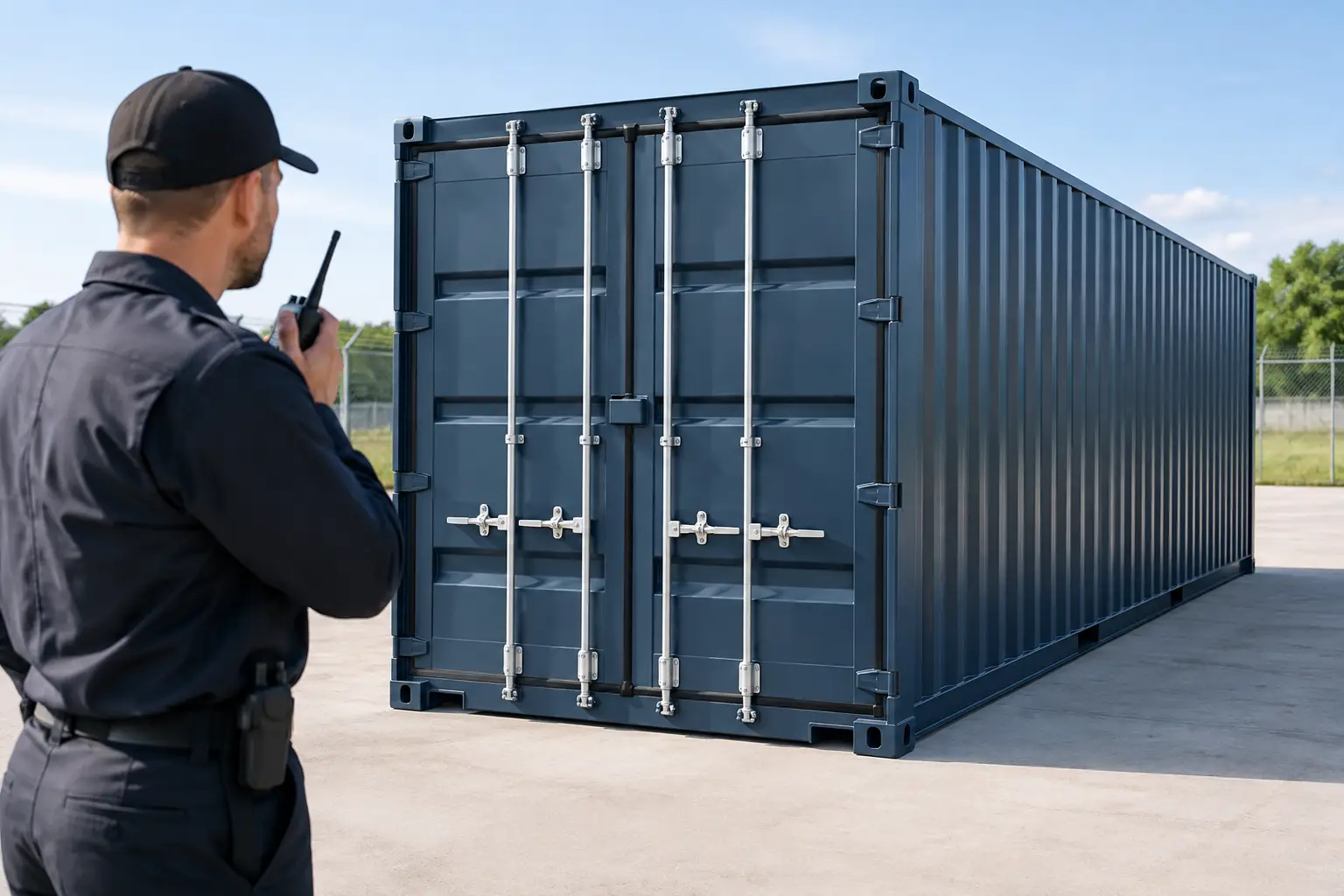
Are Steel Storage Containers Secure Enough?
A storage container sitting in your driveway can hold nearly everything that makes a house feel like home: furniture, family photos, tools, business inventory, or the contents of a room under renovation. So it is fair to ask, are steel storage containers secure enough for that responsibility? In most cases, yes – provided the container is well-built, the doors are locked correctly, and you use good judgment about what goes inside.
A steel container is not a magic box. No storage option can promise zero risk. But compared with cardboard boxes in a garage, a truck parked overnight, or a lightly built shed, a quality portable storage container provides a serious physical barrier and a practical level of protection for most moving and storage needs.
What makes a steel storage container secure?
Security starts with the container itself. A portable storage container made from steel is built to handle transport, weather exposure, and repeated use. Its rigid walls are far more difficult to break through than vinyl, wood, fabric, or thin plastic storage alternatives.
The doors matter just as much. Quality containers use heavy-duty doors that close tightly and are designed to work with a customer-supplied lock. Double-sealed doors also help keep rain, windblown dust, and pests from becoming an issue while your belongings are stored on your property or in a storage yard.
For everyday household storage, that construction is a major advantage. You can pack at ground level, lock the container when you stop for the day, and keep your items close by without leaving them exposed in an open trailer or pickup bed.
Still, physical strength is only one part of security. The most secure container can be undermined by a weak lock, poor placement, or storing items that should never be kept in a portable unit.
The lock is your first line of defense
Most container security comes down to the lock you choose. A basic, low-cost padlock may keep an honest person honest, but it is not the best choice for a container holding a household or business inventory.
Choose a heavy-duty, weather-resistant padlock with a hardened steel shackle. A disc lock or shrouded-shackle lock is often a smart option because it leaves less of the shackle exposed to cutting tools. Make sure the lock fits the container’s locking hardware properly. A lock that is too small, loose, or easy to access does not offer the same protection as one that sits securely against the door hardware.
Keep keys and combinations under control, especially on a job site or during a move with helpers coming and going. If several people need access, decide who is responsible for opening and locking the unit at the end of each day. A container is only secure if it is actually locked.
On-site storage security depends on placement
A container parked at your home or business gives you convenient access, but its surroundings affect its security. Place it where it is visible from the house, office, or active work area when possible. A well-lit location near normal activity is generally better than a hidden corner behind a fence.
For a home renovation, avoid placing the unit where contractors, delivery drivers, or visitors can easily move around behind it without being seen. At a business or construction site, coordinate access with the people who need materials from the container. Leaving doors open all day may be convenient, but it also creates an easy opportunity for items to disappear.
If the container will stay for several weeks or months, consider whether a motion light, exterior camera, or existing alarm coverage can help monitor the area. These measures do not replace a strong lock, but they can discourage theft and make activity easier to review if something happens.
Do not block emergency access, driveways, or sight lines just to tuck the container away. The best location balances convenience, visibility, and safe delivery access.
Off-site storage adds another layer of protection
Sometimes the safest place for your belongings is not in your driveway. If your home is vacant between closings, your renovation has become crowded, or your business needs space back, storing the container at a secure facility may make more sense.
A reputable portable storage company should explain how its storage process works and what protections are in place at its facility. Ask practical questions: Who can access the container? Is the property controlled after hours? How is the unit identified and handled when it is moved? What happens if you need access while it is in storage?
MODS offers secure off-site storage for customers who need their container kept at a facility rather than on their property. This option can be especially helpful for families moving on different timelines, homeowners waiting for renovation work to finish, and businesses that need temporary space without keeping inventory outdoors.
Off-site storage does involve a trade-off. You give up immediate access to your belongings, but you gain space at home or at the job site and may gain a more controlled storage environment. For items you need every day, on-site storage may be the better fit. For items you do not need until your move or project is complete, facility storage can be the simpler choice.
Weather protection supports security, too
Security is not only about theft. Water, wind, dust, and shifting loads can damage belongings just as quickly as an intruder can. Steel containers are designed to provide a weather-resistant enclosure, but packing still matters.
Keep boxes off the floor when possible, especially if you are storing for an extended period. Use pallets, boards, or sturdy shelving for sensitive belongings. Wrap furniture, protect mattresses, and avoid placing boxes directly against container walls where temperature changes can be more noticeable.
Ventilation helps reduce stale air and moisture buildup, but it does not eliminate the need to pack thoughtfully. Do not store wet items, fresh paint, open chemicals, fuel, propane tanks, or anything flammable. Beyond safety concerns, these items can create odors, leaks, or damage that affect everything else in the unit.
When a container is transported, load distribution matters as well. Put heavier items low and spread their weight across the floor. Fill empty spaces so furniture and boxes do not shift. A level delivery and transport system can help reduce movement, but careful packing remains the best protection for your belongings.
What should not go in a storage container?
A secure steel container is appropriate for furniture, boxed household goods, tools, equipment, seasonal items, and many types of business inventory. It is not the right place for irreplaceable valuables or items that require climate-controlled conditions.
Keep cash, jewelry, important legal documents, original photo albums, sensitive records, and high-value collectibles somewhere more appropriate, such as a home safe, bank box, or specialized storage solution. The same goes for medications, perishables, live plants, hazardous materials, and anything illegal.
This is not a weakness unique to portable storage. It is simply smart risk management. The more valuable, sensitive, or difficult an item is to replace, the more carefully it should be stored.
Simple habits that make containers more secure
Most security problems are preventable. Before the container arrives, make a quick plan for where it will sit, who will have access, and what will be stored inside. Photograph valuable items and keep an inventory, particularly if you are moving a business or storing equipment for a project.
When packing is complete, lock the doors every time you leave. Check that both doors are fully closed before attaching the lock. Avoid advertising what is inside by leaving branded product boxes, expensive tools, or visible inventory near the container.
It is also worth reviewing your homeowners, renters, or business insurance policy. Coverage for property in portable storage can vary depending on where the container is located and how long items are stored. Knowing the answer before a loss is far better than trying to sort it out afterward.
Are steel storage containers secure for your situation?
For most households, renters, contractors, and small businesses, a well-maintained steel storage container is a secure and practical choice. Its steel construction, lockable doors, weather-resistant design, and flexible location give it clear advantages over many temporary storage options.
The right setup depends on your needs. Use on-site storage when easy access helps you pack, renovate, or manage a job. Use a secure off-site facility when you need the space back or want belongings stored away during a longer transition. In either case, a quality lock, smart placement, and careful packing turn a durable container into a dependable place to keep the things you need protected.