
Best Storage for Estate Cleanouts Explained
An estate cleanout rarely happens on a convenient schedule. There may be a home sale deadline, family members traveling in from out of town, and decades of belongings to sort through carefully. The best storage for estate cleanouts gives you room to slow down, keep the property functional, and make decisions without forcing everything into a single stressful weekend.
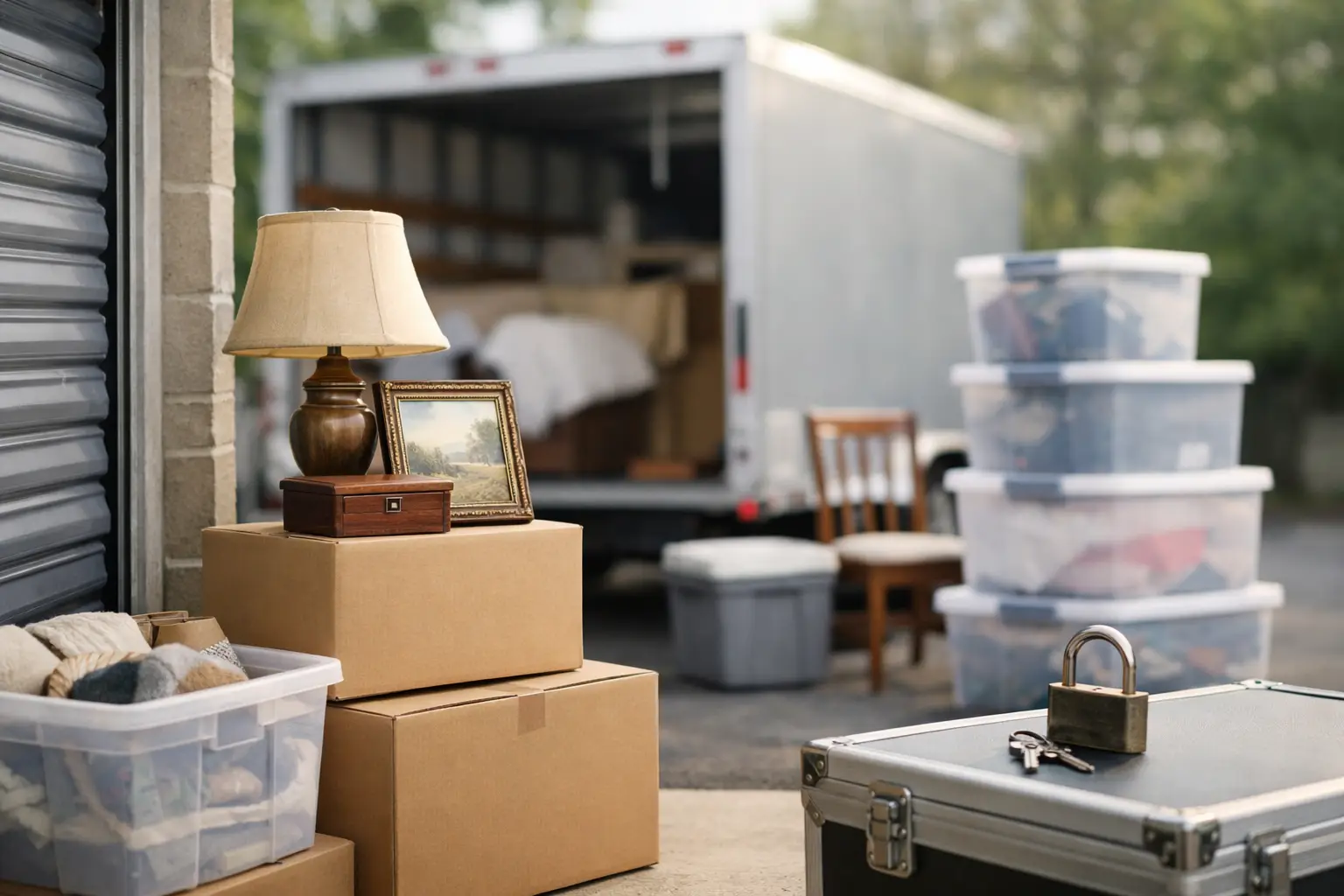
For many families, portable storage is the most practical fit because the container comes to the property. You can load items as you sort, keep them close by while decisions are still being made, and choose later whether they need to be moved, stored off-site, donated, sold, or passed on to relatives.
Why estate cleanouts need a different storage plan
Estate cleanouts are not the same as a standard move. In a typical move, most belongings are going from one home to another. During a cleanout, belongings usually fall into several categories: items family members want to keep, paperwork that needs review, valuables that need secure handling, furniture that may be sold, and items that can be donated or discarded.
That makes time and access more valuable than simply having an empty storage unit. Renting a truck can create pressure to load and unload quickly. A traditional self-storage unit may require repeated trips across town while the house is being sorted. Both options can turn a difficult process into a series of deadlines.
A good storage plan lets the family handle one room at a time. It also keeps hallways, bedrooms, and living areas clearer for appraisers, real estate agents, contractors, cleaners, and relatives who need to walk through the home.
The best storage for estate cleanouts is usually close by
On-site portable storage works well when the property has a driveway or another accessible delivery location. The container is delivered at ground level, so there is no loading ramp to manage and no need to repeatedly rent a truck. Family members can carry boxes and furniture out as they work rather than trying to stage every item inside the house first.
This approach is especially useful when the timeline is uncertain. A family may think the cleanout will take two weeks, then discover photo albums, legal files, collectibles, or furniture that requires more attention. With a monthly rental, the storage timeline can better match the real work involved.
Portable storage is also useful when several people are involved. One sibling may be sorting documents while another is choosing furniture to keep. A container creates a designated place for items that have been approved for storage, helping prevent the common problem of sorted belongings getting mixed back into piles.
There are situations where off-site storage makes more sense. If the home is being listed for sale, undergoing repairs, or is located where a container cannot remain on-site, stored portable units can be a better choice. You can load at the property, then have the container moved to a secure facility until the next decision is made.
Start with access, not just square footage
The right amount of storage depends on the home, but access often matters more than size. Before choosing a solution, consider who needs to get into the stored items and how often. If family members will need to review boxes over several days, on-site storage is typically easier than locking everything in a unit across town.
Think about the work flow. Items that are clearly being kept can go into storage first. Items for sale, donation, or disposal should stay separate. If everything goes into one container without a plan, the container can become another overwhelming room to sort later.
It also helps to leave a clear walkway inside the container. Place larger furniture along the walls, keep boxes stacked by category, and put frequently needed items near the doors. Estate paperwork, photographs, family records, and small valuables should not disappear behind a wall of boxes.
Make a simple zone plan before loading
You do not need a detailed warehouse system. A few clear zones can save hours later. Keep family keepsakes together, place paperwork in labeled boxes near the front, and group furniture by its final destination when possible.
For example, designate one area for items going to a relative’s home and another for belongings that will stay in storage until the estate is settled. Clearly mark boxes on more than one side. A label that says “kitchen” is helpful, but “kitchen – keep for Sarah” is better when multiple family members are involved.
Take photos of valuable items before they are loaded. This creates a useful record for family discussions, insurance questions, estate administration, or future sale listings.
Protect belongings while the work is underway
Estate cleanouts can involve furniture, antiques, documents, electronics, and sentimental items that have been in the same home for years. Storage should protect those belongings from weather, moisture, and unnecessary shifting during transport.
Look for a weatherproof steel container with secure doors and ventilation. Steel construction provides stronger physical protection than temporary fabric storage options, while double-sealed doors help keep out weather. Ventilation matters because it helps reduce stale, trapped air during longer storage periods.
Packing still makes a difference. Use sturdy boxes, avoid overloading them, and place heavier boxes on the bottom. Wrap wood furniture, mirrors, and framed art. Keep mattresses and upholstered pieces covered. Do not place wet or damp items into storage, since moisture can cause damage regardless of the container type.
If the container will be moved after loading, load it with transportation in mind. Distribute weight evenly, place heavy items low, and secure furniture where needed. MODS uses a Level Lift delivery system that keeps containers level during transport, which helps reduce the shifting that can occur when a loaded container is tilted.
Keep critical documents separate
Not every item should go into general storage. Wills, property deeds, tax records, financial statements, military records, and jewelry may need immediate review or a more controlled place. If there is any uncertainty about an item’s legal or financial importance, set it aside until the executor, attorney, or appropriate family member has reviewed it.
This is not about treating every old file box as a high-security item. It is about avoiding a costly mistake during a fast-paced cleanout. A labeled document tote kept with the person managing the estate can be much easier to review than paperwork packed deep inside a container.
Compare the real cost, not just the monthly rate
A low storage rate does not always mean a lower overall cost. Traditional self-storage may look affordable at first, but the full cost can include truck rental, fuel, loading help, multiple trips, and time away from work or family. A rushed truck rental can also lead to damaged furniture or the expense of renting the truck longer than planned.
Portable storage combines several steps into one process: delivery, loading time at your pace, transport when needed, and either on-site or facility storage. That can be particularly helpful when the cleanout is spread across several weekends.
Ask clear questions before committing. Find out how monthly billing works, whether delivery and transportation are separate charges, how long the container can stay at the property, and what access looks like if it is stored at a facility. The best option is not always the one with the lowest advertised price. It is the one that fits the schedule without adding avoidable work.
Know when to move the container off-site
Keeping storage at the estate property is convenient during the sorting phase, but there is often a point when off-site storage is the better move. That point may come when the home is ready for staging, contractors need driveway access, or the property is about to close.
Moving the loaded container to a secure facility allows the home sale or renovation to continue while the family keeps time to decide what happens next. This can be a major relief when an inherited home needs to be cleared before every heir is ready to receive furniture or personal belongings.
The transition should be planned before the final week. Decide which items truly need longer-term storage and which items are ready for donation, sale, or disposal. Paying to store items indefinitely because no one has made a decision is common, but it is rarely the best use of the space or the budget.
Give the process enough time to be respectful
The right storage solution does more than hold boxes. It gives families breathing room during a task that is often emotional, complicated, and time-sensitive. A container at the property can keep the cleanout moving without forcing anyone to decide the future of every belonging on the spot.
Sort steadily, label clearly, protect what matters, and choose storage that can move with the estate timeline. A little extra time now can prevent regret later.