
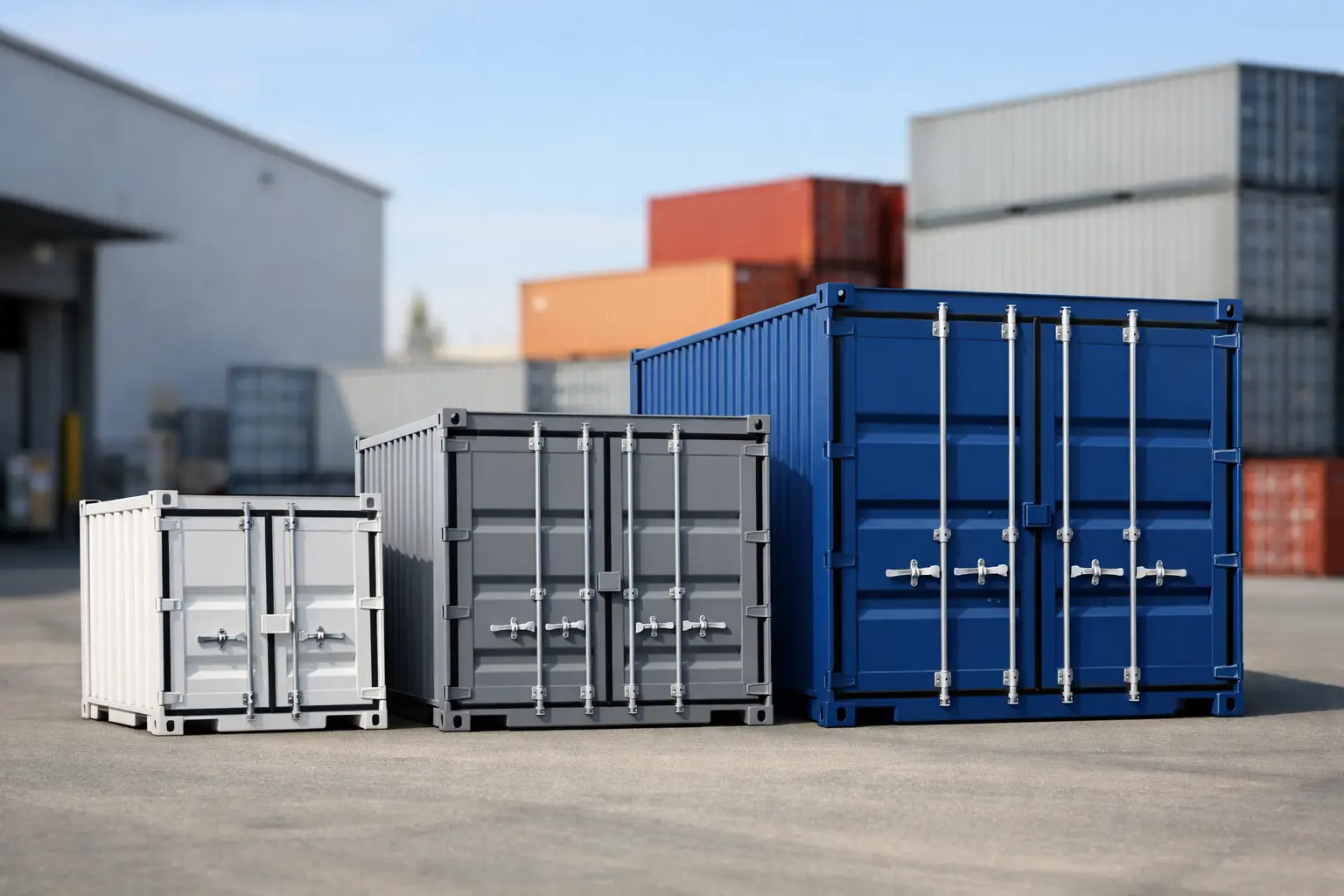
Storage Container Sizes Explained: Which 8, 12, or 16 Foot Container Do You Need?
Choose an 8 foot container for an apartment or one to two rooms, a 12 foot container for a two-bedroom home or a mid-size remodel, and a 16 foot container for a three-bedroom home or a full move. Larger homes often need two containers. MODS rents all three sizes in all-steel construction across Texas and Oklahoma.
What Size Storage Containers Does MODS Offer?
MODS offers three all-steel container sizes: 8 feet, 12 feet, and 16 feet long. Each loads at ground level, and our level lift system sets it flat on your driveway.
| Container | Comparable Storage Unit | Typical Capacity | Best For |
| 8 foot | About a 5 by 10 unit | One to two rooms | Apartments, dorms, single-room projects, small business stock |
| 12 foot | About a 10 by 10 unit | Two to three rooms | Two-bedroom homes, kitchen or flooring remodels, staging |
| 16 foot | About a 10 by 15 unit or larger | Three to four rooms | Three-bedroom homes, full moves, whole-home remodels |
Capacity depends on how you pack. Tight, floor-to-ceiling loading fits far more than loose loading.
What Size Container Do I Need for My Home?
| Home Size | Suggested Containers |
| Studio or one-bedroom apartment | One 8 foot |
| Two-bedroom apartment or townhome | One 12 foot |
| Two-bedroom house with garage | One 12 foot or one 16 foot |
| Three-bedroom house | One 16 foot |
| Four-bedroom house | One 16 foot plus one 8 or 12 foot, or two 16 foot |
| Five-bedroom and larger | Two 16 foot or more |
Count garage, attic, and patio items like a room. They are often what pushes a move into a second container.
What Size Container Do I Need for a Remodel or Project?
| Project | Suggested Size |
| Bathroom remodel | 8 foot |
| Kitchen remodel | 8 or 12 foot |
| Flooring in two or three rooms | 12 foot |
| Whole-home flooring or repainting | 16 foot |
| Storm or water damage restoration | 12 or 16 foot |
| Staging a home for sale | 8 or 12 foot |
| Garage clean-out | 8 foot |
| Contractor job site | 8 to 16 foot depending on materials |
See onsite storage for home renovation, temporary storage during home staging, and job site storage containers in Fort Worth.
What Fits in an 8, 12, or 16 Foot Container?
8 Foot Container
A bed, dresser, sofa, small table and chairs, and boxes from one or two rooms. This is the mini storage container option for apartments, dorms, and garage overflow.
12 Foot Container
Two bedroom sets, a living room set, dining table, major kitchen boxes, and some appliances. Popular for two-bedroom moves and mid-size remodels.
16 Foot Container
Three bedroom sets, living and dining rooms, kitchen, appliances such as a washer, dryer, and refrigerator, plus garage items. The 16 foot container is the most common choice for single-family homes across DFW, OKC, and Amarillo.
Not Sure Which Size? Ask a MODS Coordinator
Walk through your rooms on the phone and we will recommend a size or combination before you book.Call (817) 847-6637, Amarillo (806) 350-6637, OKC (405) 720-7344, or contact MODS online.
How Do I Estimate My Size Room by Room?
Walk through your home and count rooms, then add the garage, attic, and patio as extra rooms. This simple method gets most people to the right size.
- Count furnished rooms: bedrooms, living room, dining room, office, and den each count as one.
- Add the kitchen as one room, or as two if you have a large pantry or many small appliances.
- Add the garage as one to two rooms depending on tools, bikes, and yard equipment.
- Add attic, closet, and storage room items as a half room each.
- Match the total: one to two rooms is an 8 foot, two to three is a 12 foot, three to four is a 16 foot, and more than four usually means two containers.
- Round up if you are unsure. Extra space costs less than a second trip, and a partly full container is easier to pack well.
Example: Three-Bedroom Home in Fort Worth
Three bedrooms, a living room, a dining room, and a kitchen make six. Add a two-car garage with tools and patio furniture, and you are near eight rooms of goods. In practice, tight packing and some donating bring many three-bedroom homes into one 16 foot container, while fuller homes add an 8 or 12 foot.
Example: Two-Bedroom Apartment in Oklahoma City
Two bedrooms, a living room, and a kitchen make four, but apartment rooms are smaller and there is no garage. A 12 foot container usually fits, and minimalist households often fit an 8 foot.
Which Items Take Up the Most Room?
Large furniture and appliances decide container size more than boxes do. Make a quick list of these before you choose.
- Sectional sofas and recliners
- King and queen beds with headboards
- Dining tables with leaves and hutches
- Refrigerators, washers, and dryers
- Treadmills and home gym equipment
- Patio furniture, grills, and lawn equipment
- Pianos and large bookcases
Disassembling bed frames and table legs saves real space. Read how to organize container loading.
When Should I Get Two Containers Instead of One?
- Four or more bedrooms or a very full home.
- Split destinations: one container to your new home, one to long-term storage.
- Remodel plus move: one for the contractor’s materials, one for your belongings.
- Staged loading: fill one while the other is on the way to your new home.
Check local limits first: some cities cap the number of containers per lot. Read do storage containers need permits.
Two containers delivered together also split the loading work, so family members or helpers can pack separate zones at the same time.
Will a Container Fit in My Driveway?
Most residential driveways fit an 8, 12, or 16 foot container, but you also need room for the delivery truck to approach and overhead clearance. Tell your coordinator about slopes, narrow drives, gates, and trees when you book.
If space is tight, a smaller container on site plus yard storage can work better than one large container that barely fits. You can fill the smaller container, have MODS move it to our yard, and repeat, which keeps your driveway usable and helps you stay within any local time limit.
Some cities require containers to sit on a paved surface, and many prohibit placement on streets or sidewalks. See can containers fit driveway spaces and how to prepare for storage delivery.
How Do I Pack More Into Any Size Container?
- Use uniform box sizes so stacks stay stable.
- Load heavy items first against the front wall.
- Stack floor to ceiling in tiers.
- Stand mattresses and sofas on end where safe.
- Fill gaps with soft items like pillows and bagged linens.
- Strap each section so loads do not shift.
Read how to load moving containers and how to pack storage containers.
Storage Container Size FAQs
1. What size storage containers does MODS offer?
MODS offers 8 foot, 12 foot, and 16 foot all-steel containers, comparable to about 5 by 10, 10 by 10, and 10 by 15 storage units.
2. What size container do I need for a three-bedroom house?
Most three-bedroom houses fit in one 16 foot container. Very full homes or homes with large garages may need a second container.
3. What is a mini storage container?
A mini storage container is a small portable unit for one or two rooms. The MODS 8 foot container fills that role.
4. How much fits in a 12 foot container?
A 12 foot container typically holds two to three rooms, such as a two-bedroom apartment or the furniture from a mid-size remodel.
5. Is a 16 foot container the same as an 8 by 16 container?
MODS 16 foot containers are typically 8 feet wide, 8 feet tall, and 16 feet long, so yes, they are often described as 8 by 16.
6. When should I rent two containers?
For four or more bedrooms, split destinations, a remodel combined with a move, or staged loading. Check local limits on containers per lot first.
7. Will a storage container fit in my driveway?
Most residential driveways fit all three MODS sizes, but the truck also needs room to approach. Share driveway details when you book.
8. What size container do I need for a kitchen remodel?
Most kitchen remodels fit in an 8 or 12 foot container, depending on how much dining and pantry furniture you clear.
9. What items take up the most space?
Sectional sofas, beds, dining sets, appliances, gym equipment, and patio furniture. List these first when choosing a size.
10. Can a MODS coordinator help me choose a size?
Yes. Call your local MODS yard, walk through your rooms, and a coordinator will recommend a size or combination.
Get the Right Size the First Time
MODS Mobile On Demand Storage rents 8, 12, and 16 foot all-steel containers in Fort Worth, Amarillo, Oklahoma City, and surrounding areas. Tell us about your home or project and we will recommend the right fit. Call (817) 847-6637, Amarillo (806) 350-6637, or OKC (405) 720-7344, or contact MODS online for a flat quote.