Pods vs Mods Comparison for Your Next Move
A move can get expensive and stressful fast when every part of the process runs on someone else’s schedule. A pods vs mods comparison helps narrow down two portable storage approaches that let you pack at ground level, keep your belongings in one place, and decide later whether you need local storage, transportation, or both.
Both services can be a better fit than rushing through a truck rental or hauling loads back and forth to a self-storage unit. The right choice depends on where you are moving, how much space you need, whether the container will stay at your property, and how much value you place on local service and clear communication.
How Portable Storage Works
Portable storage gives you time that a traditional moving truck usually does not. A company delivers a storage container to your home, business, or job site. You load it when you are ready, then schedule pickup when the job is done. Depending on your needs, the container can be moved to a new address or stored at a secure facility.
This setup works well for moves, remodels, downsizing, estate cleanouts, home staging, business inventory, and construction equipment storage. Instead of doing all the packing, loading, driving, unloading, and returning in one long day, you can break the work into manageable steps.
PODS is a national portable storage brand with service in many markets. MODS is a regional portable storage company serving customers in Fort Worth, Amarillo, Oklahoma City, and surrounding areas. Both provide container-based moving and storage, but their service footprint, container details, availability, and pricing structure can differ.
Pods vs Mods Comparison: What Is Similar?
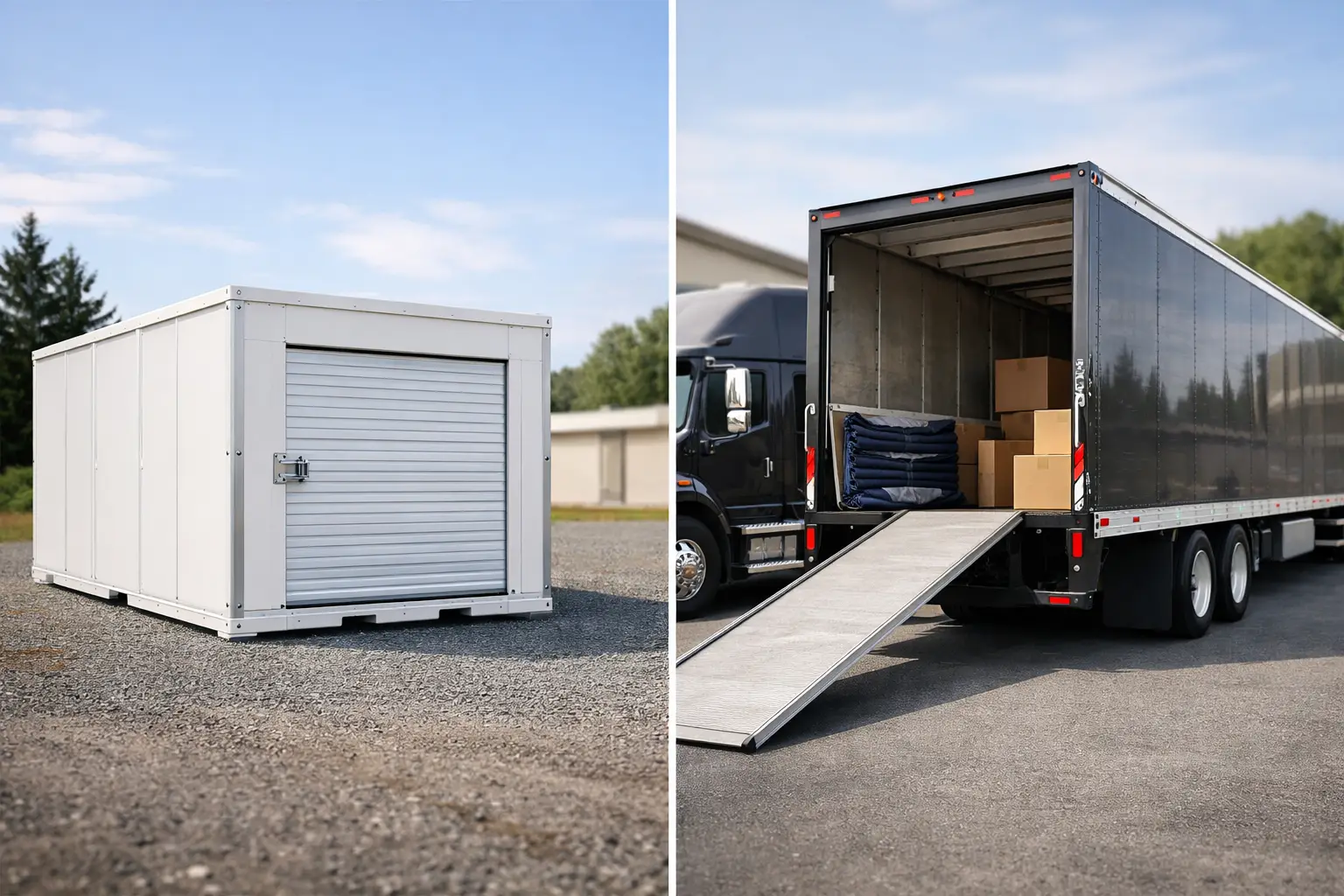
The main benefit is similar: you do not have to rent and drive a large moving truck. Containers are delivered to you, so loading happens at ground level rather than up a ramp into a truck bed. That is easier for many households, especially when moving heavy furniture, appliances, boxes, or tools.
Both options also give customers more control over their packing timeline. If you are waiting on a closing date, renovating a room, or preparing a business location, having the container nearby can keep belongings accessible while reducing clutter inside.
For customers who need off-site storage, both models can also eliminate repeated trips to a self-storage facility. The company picks up the loaded container and stores it until you are ready for delivery. That can be especially useful when a move has a gap between homes or a project schedule changes.
The differences matter in the details. Before you book, compare the equipment, local availability, delivery process, quote terms, storage options, and the level of support you can expect if your plans change.
Container Construction and Protection
A portable container needs to do more than hold boxes. It may sit outside through rain, heat, wind, dust, and changing temperatures. The design of the container and the way it is transported can affect how well belongings stay protected.
MODS uses weatherproof steel containers with double-sealed doors and ventilation. Steel construction offers strong protection for household goods, business materials, and job-site equipment. The doors are designed to help keep weather out while ventilation helps reduce trapped moisture and stale air during storage.
When comparing any container provider, ask about the condition of the equipment you will receive. A clean, well-maintained container matters, particularly for furniture, documents, electronics, inventory, and items that will be stored for more than a few weeks. It is also worth asking what is allowed inside and whether there are restrictions on hazardous materials, food, plants, or other items.
Delivery Method Can Affect Your Load
Not all portable containers are delivered and picked up the same way. This matters when you have fragile belongings already packed inside, a narrow driveway, or a job site with uneven ground.
MODS uses a Level Lift delivery system designed to keep the container level during delivery and transport. Keeping the container level helps reduce shifting inside, which is a practical advantage when boxes, furniture, tools, or supplies are loaded tightly. Good packing still matters, but a stable ride gives your load a better starting point.
Ask each provider how much space the delivery truck needs, whether the container can be placed on a driveway or street, and whether permits may be required in your neighborhood. Homeowners associations, apartment communities, and city rules can all affect placement. Getting clear answers before delivery helps avoid a last-minute change of plan.
Storage at Your Property or at a Facility
On-site storage is often the deciding factor for renovation and business customers. If you are replacing floors, repainting a home, clearing out an office, or managing a construction project, keeping the container at your location can save time. Your belongings are close by, but out of the way.
Off-site storage can make more sense when you do not have room for a container or do not need regular access to its contents. After the container is picked up, it stays at the provider’s storage facility until you schedule redelivery. This can be useful for a delayed move, a temporary living arrangement, or seasonal business overflow.
In a pods vs mods comparison, do not assume every type of storage works the same way in every market. Ask whether your container can remain at your property, how long monthly rentals can continue, how much notice is needed for pickup or redelivery, and what access looks like once it is stored off-site. Those answers are more useful than a broad promise of “flexibility.”
Local Service Versus National Coverage
National coverage may be helpful for certain long-distance moves, especially if you are moving far outside a regional provider’s service area. If your route and destination are covered, a large national network can be a factor worth considering.
For a local move or storage need in the Texas and Oklahoma markets MODS serves, a regional provider can offer a more direct experience. Local teams understand the roads, neighborhoods, weather, and scheduling realities in the area. When a delivery needs to work around a tight driveway, a construction schedule, or a closing date, being able to speak with a nearby team can make a real difference.
Service is not just about being friendly on the phone. It shows up in accurate delivery windows, straightforward answers about placement, reliable pickup, and a team that treats schedule changes like a normal part of moving instead of an inconvenience. Read reviews, ask how scheduling is handled, and pay attention to whether the quote is explained in plain language.
Pricing: Compare the Full Cost, Not Just the Monthly Rate
Portable storage quotes can include several parts: container delivery, pickup, transportation, monthly rental, off-site storage, redelivery, and possible fuel or distance-related charges. The lowest advertised monthly price is not always the lowest total cost for your specific move.
Request a quote based on your actual plan. Explain whether you are storing on-site or off-site, whether you are moving locally, how long you expect to keep the container, and whether your dates are firm. Then ask what happens if you need extra time or need to change the delivery date.
A clear quote should help you understand the charges before the container arrives. It should also make it easy to compare similar services. If one company gives a lower starting number but leaves key fees unclear, it may be harder to budget than a provider that explains the complete process upfront.
Which Option Fits Your Situation?
Choose based on the job, not the logo. A national provider may fit a move that requires coverage outside a local company’s operating area. A regional provider may be the better choice when local knowledge, direct service, sturdy equipment, and competitive pricing matter most.
For homeowners, think about how long you need to pack and whether your driveway can accommodate a container. For renters, confirm property rules and street-placement requirements. For businesses and contractors, consider access needs, security, project timing, and whether the container will protect materials at an active site.
Also be realistic about container size. It is better to discuss the number of rooms, large furniture, inventory, or equipment you plan to store than to guess from a photo. A container that is too small creates a second moving problem. One that is much larger than needed may add unnecessary cost.
Before you reserve, confirm the delivery date, placement requirements, quote details, rental terms, storage plan, and pickup process. The best portable storage choice is the one that gives you enough room, protects what matters, and lets your schedule lead the move instead of forcing you to race the clock.