
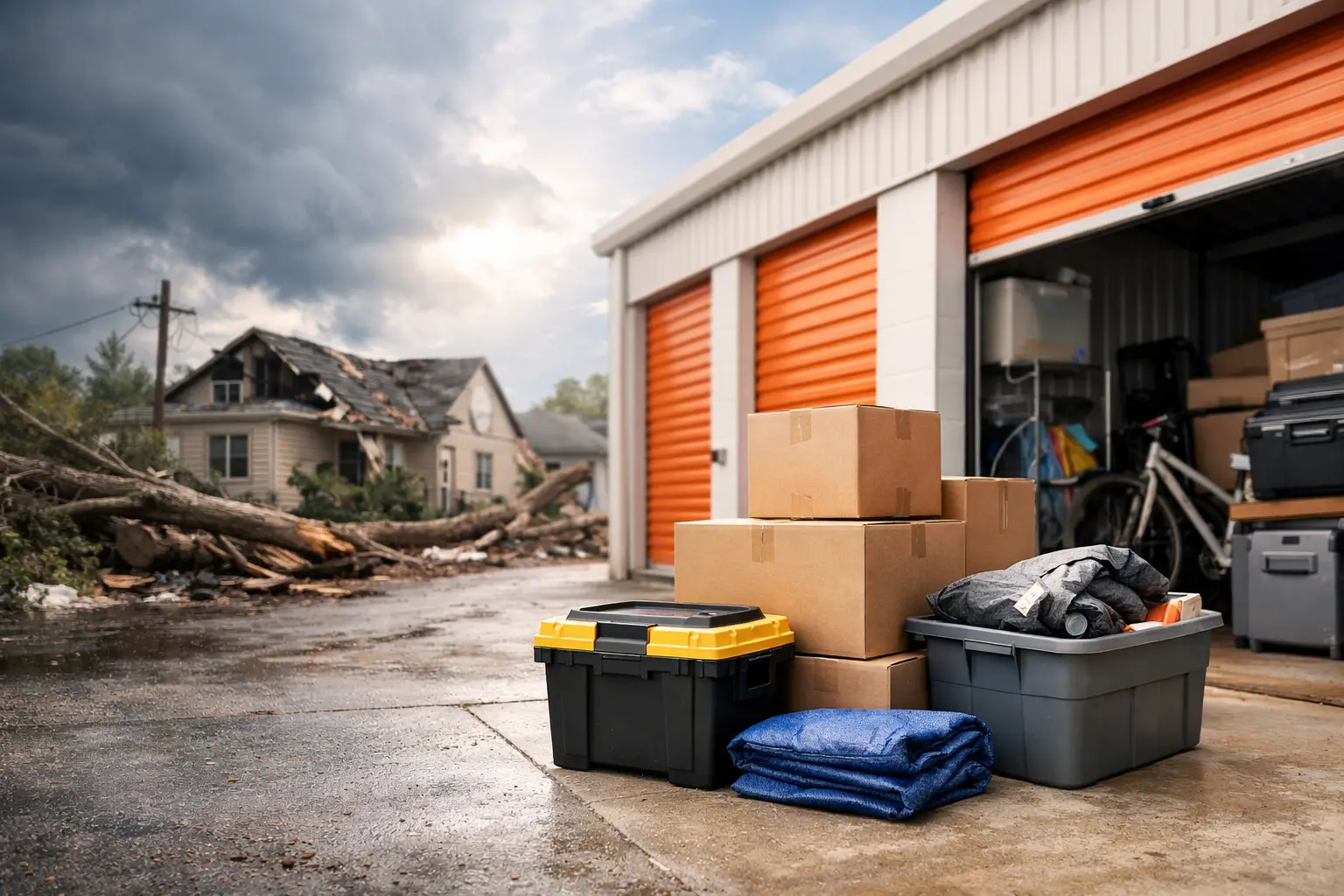
Storm Recovery Storage When You Need Space
A storm can turn a normal cleanup job into a space problem fast. Wet drywall, fallen branches, repair crews, displaced furniture, and insurance documentation all compete for room at once. Storm recovery storage gives you a practical place to move dry belongings out of the work area, protect materials, and keep the recovery process moving without rushing every decision.
For homeowners, that may mean clearing a damaged room so restoration work can begin. For a contractor or small business, it may mean keeping tools, inventory, or replacement materials close to the property. The right setup depends on the extent of the damage, how long repairs will take, and whether you need storage on-site or off-site.
Start by separating what can be saved
Before anything is packed away, focus on safety. Do not enter a structure with standing water, damaged electrical equipment, a compromised roof, or signs of structural damage until the appropriate professionals say it is safe. If water reached outlets, appliances, or electrical panels, treat the area as hazardous.
Once you can safely assess the property, separate items into three groups: damaged items that need to be documented, items that can be cleaned or restored, and dry belongings that need temporary protection. This step prevents a common recovery mistake: placing damp, dirty, or contaminated materials next to items that survived the storm.
Take photos and video before discarding anything that may be part of an insurance claim. Capture wide shots of each affected room, then close-ups of damaged furniture, finishes, equipment, and personal property. Keep receipts for emergency work, cleaning supplies, lodging, and storage. Your insurer may have specific instructions about what to preserve, so ask before throwing away large items.
Why storm recovery storage helps
After wind, hail, flooding, or a roof leak, the goal is not simply to get belongings out of sight. You need enough clear floor space for inspectors, adjusters, drying equipment, and repair crews to work safely. Moving salvageable property into a portable storage container can free up that room while keeping the items nearby.
A weatherproof steel container is especially useful when repairs may take weeks instead of days. You can load at ground level and organize belongings on your own schedule rather than trying to finish everything during a single truck-rental window. When the work is complete, the container can be transported to your next location or picked up for secure off-site storage.
On-site storage also reduces repeated trips to a self-storage facility. That matters when you are managing contractors, meeting an adjuster, dealing with school or work schedules, and trying to make decisions under pressure. Having a container at the property lets you retrieve a specific box, tool, or piece of furniture when you need it.
Choosing on-site or off-site storm recovery storage
On-site storage makes sense when the property has a stable, accessible location for a container and you expect to need regular access to stored items. It works well during roof repair, interior restoration, remodeling after a fallen tree, or a phased cleanup at a business. Contractors can keep dry materials and equipment close by, while homeowners can avoid crowding undamaged rooms.
Off-site storage may be the better choice if the property has limited driveway space, active safety concerns, neighborhood restrictions, or an extended rebuild timeline. It is also useful when a family needs to relocate temporarily and does not want to move belongings multiple times. A portable container can be loaded at the home, then stored securely until the new or repaired space is ready.
There are trade-offs. On-site access is convenient, but you need a suitable delivery area and should plan around crew access, utility work, and debris removal. Off-site storage clears the property completely, but you will not have immediate access to every item. Think about what you will need during recovery and keep essentials with you.
What belongs in a storage container
The best candidates are clean, dry, undamaged items that need to be protected from construction dust, additional weather exposure, and clutter. Furniture, boxed household goods, seasonal items, business records, inventory, tools, and equipment are common examples.
Do not load wet carpet, soaked drywall, mold-damaged belongings, leaking containers, food that could spoil, fuel, propane tanks, chemicals, or other hazardous materials. Those items can create odors, moisture problems, or safety risks inside the container. If you are unsure whether an item is safe to store, ask the storage provider before loading it.
For business owners, keep records and high-value inventory organized and documented before storage. For contractors, separate job-site materials from personal tools and label them clearly. A simple inventory list can save time later, particularly if several people are working from the same container.
Pack for protection and access
Recovery storage is often temporary, but it should still be packed carefully. Start with sturdy boxes of similar sizes so they stack securely. Place heavier boxes on the floor and lighter ones above them. Protect wood furniture with moving pads or blankets, and use mattress covers for bedding. Leave a narrow center aisle if you expect to retrieve supplies or belongings during repairs.
Load items that will not be needed soon toward the front. Keep recovery essentials near the doors: cleaning supplies that are safe to store, a labeled box of tools, replacement hardware, work gloves, contractor paperwork, and items needed for temporary living arrangements. Avoid packing loose items where they can shift during transport.
A quality portable container should help protect your contents from the weather, but good packing still matters. Steel construction, double-sealed doors, and ventilation help create a protected storage environment. They do not make wet or dirty belongings safe to store. Dry items fully before they go inside, and do not trap moisture under plastic wrapping or against container walls.
Plan the delivery area before the container arrives
A little site planning prevents delays when everything else already feels urgent. Choose a firm, reasonably level surface with clear access from the street. Move vehicles, branches, loose debris, and anything that could block delivery. Measure for overhead clearance and watch for low wires, tree limbs, gates, and tight turns.
Tell the delivery team about any unusual access conditions. A narrow drive, steep grade, busy commercial lot, or active construction area may affect placement options. MODS uses a Level Lift delivery system that keeps the container level during delivery and pickup, helping reduce the shifting that can happen when a loaded container is tilted.
If a storm damaged the driveway or left soft ground, do not assume it can support a loaded container or delivery vehicle. Ask about alternatives. In some cases, off-site storage or placement in another approved location may be safer and more practical.
Keep your recovery timeline flexible
Storm repairs rarely follow the first schedule you receive. An adjuster may need more documentation, a roofer may be delayed by weather, or hidden damage may appear after walls or flooring are opened. Monthly portable storage gives you room to adjust without forcing a rushed move-out date.
That flexibility is valuable for families deciding whether to repair, sell, or temporarily relocate. It also helps businesses continue operating while part of a building is being restored. Instead of making a permanent decision in the first difficult week after a storm, you can protect what matters and make the next decision when you have better information.
Work with your insurance process, not around it
Storage may be a reimbursable expense under some homeowners, renters, commercial property, or business interruption policies, but coverage varies. Contact your insurance company early and ask whether temporary storage is covered, what documentation is required, and whether there is a spending limit or preferred process.
Keep the storage agreement, invoices, delivery records, photos of packed belongings, and your inventory list together. Do not wait until the claim is nearly closed to reconstruct what happened. Clear records make it easier to explain why storage was necessary and what property was protected.
When the storm has disrupted your home, business, or job site, the most helpful next step is often a simple one: create dry, usable space. Protect what can be saved, give repair crews room to work, and choose a storage plan that can stay in place until the property is ready again.