
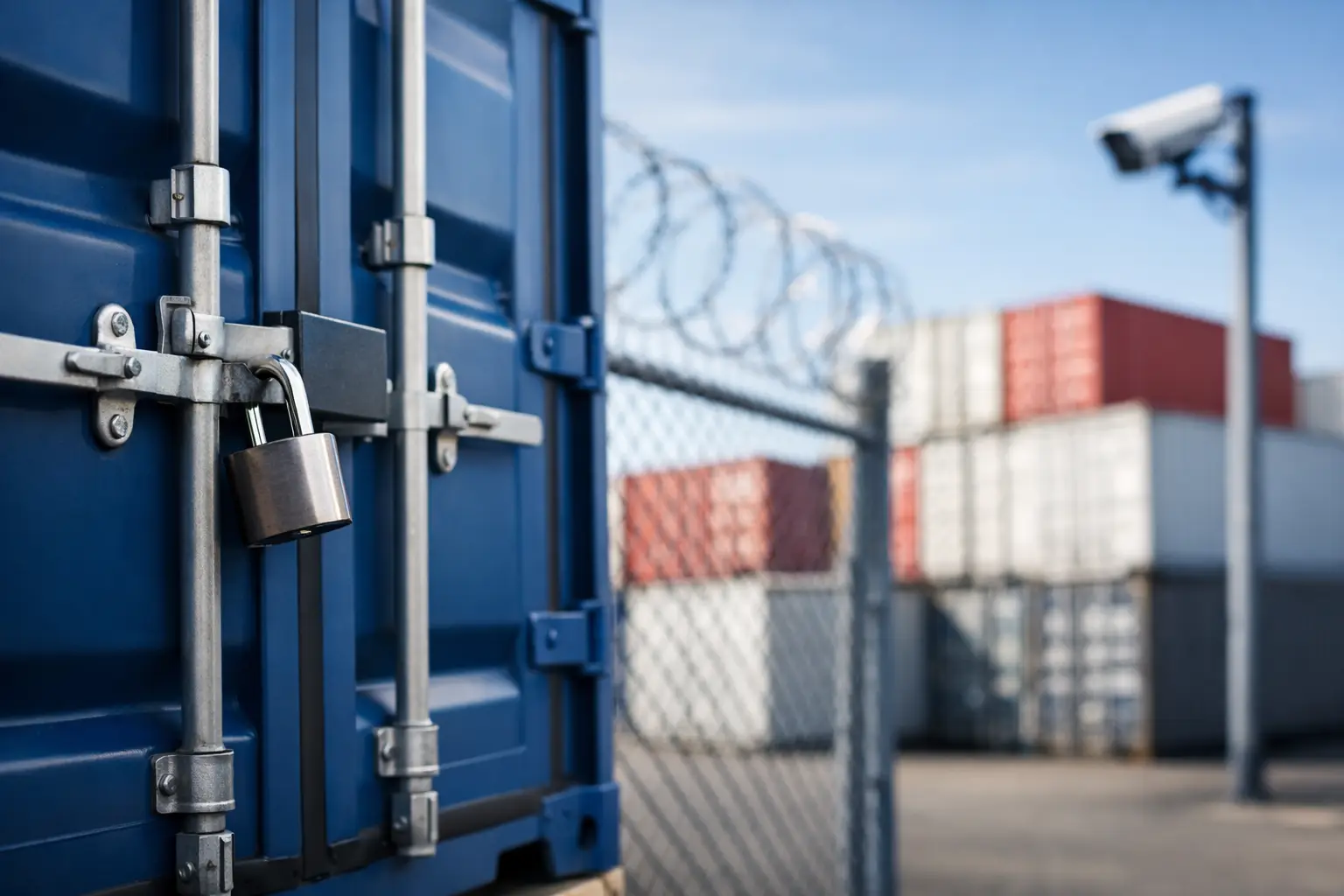
A Guide to Secure Container Storage
If your storage plan depends on a padlock and good luck, it is not much of a plan. A real guide to secure container storage starts with a better question: what are you protecting, where will the container sit, and who will need access while it is there? Those details shape everything from container type to packing method to whether on-site or off-site storage makes more sense.
Portable container storage works well because it removes a lot of the pressure that comes with truck rentals and repeated trips to a storage unit. You load at ground level, on your own schedule, and the container can stay at your property or move to a storage facility later. But convenience only helps if the container itself, the placement, and the packing strategy all support security.
What secure container storage really means
People often treat storage security like a single feature. It is not. Secure container storage is a mix of physical protection, smart loading, controlled access, and a setup that matches the job.
A weatherproof steel container gives you a stronger starting point than lightweight alternatives. Steel resists impact better, holds up in changing weather, and gives doors and locking points more stability over time. Good door seals matter too. If the doors do not close tightly, moisture becomes just as big a threat as theft.
Security also depends on where the container is kept. A container parked on a private driveway during a remodeling project has one set of risks. A container holding business inventory for several months has another. If your timeline is short and you need frequent access, on-site storage may be the better fit. If you want tighter control and fewer people around the unit, off-site storage at a secure facility may be the safer choice.
Choosing the right container for secure storage
Not every container setup offers the same level of protection. The basic goal is simple: choose a container built to handle weather, repeated use, and transport without putting your contents at risk.
Steel construction is one of the first things to look for. It helps protect against forced entry, rough handling, and normal wear. Ground-level loading matters more than most people think because it reduces the odds of dropping heavy items while carrying them up a ramp. That is partly a safety issue for people, but it is also a security issue for your belongings. Less awkward loading usually means less damage.
Ventilation is another feature people overlook. A secure container should not trap heat and moisture with no airflow. Ventilation helps reduce condensation, which can affect furniture, paper files, fabrics, and electronics. It does not replace proper packing, but it does improve the storage environment.
If the container will be transported after loading, the delivery method matters. A level delivery system reduces shifting during pickup and transport. That can make a noticeable difference when you are storing stacked boxes, tools, equipment, or household goods that could tip or slide if the container tilts too much.
How to pack for secure container storage
A strong container can only do so much if the contents are packed poorly. Security includes protection from movement, pressure, and moisture, not just unauthorized access.
Start by placing heavier items on the floor and distributing weight evenly from front to back. Uneven loads can cause shifting during transport and make stacked items less stable over time. Keep frequently needed items near the door so you are not climbing through the container and disturbing everything else whenever you need access.
Use sturdy boxes with clear labels. Weak boxes collapse, especially in longer storage situations. Leave a small amount of space for air circulation, but do not leave large gaps that let items slide around. For furniture, use covers that breathe. Plastic wrap has its place during moving, but when used the wrong way for long-term storage it can trap moisture.
For valuable business records, tools, or inventory, think in zones. Group similar items together and create a simple map of what is inside. That is not just about organization. It limits how much handling happens when someone needs one specific item, and less handling means less opportunity for damage or loss.
A guide to secure container storage on your property
On-site storage is convenient because your items stay close. It is often the best fit for home renovations, staging, temporary business overflow, or job-site use. But keeping the container at your location means you need to think carefully about placement and access.
Set the container on a flat, stable surface where the doors can open fully. If the ground shifts or the container sits unevenly, the doors may become harder to operate and seals may not perform as well. Choose a spot with good visibility rather than hiding it behind fences or structures. A visible container is often less attractive to someone looking for an easy target.
Limit who has access. That sounds obvious, but it is where many problems start. If multiple family members, employees, or subcontractors need entry, decide who is responsible for locking the unit and checking it at the end of the day. Security weakens fast when everyone assumes someone else handled it.
Lighting helps if the container will remain on site overnight for an extended period. So does placing it in an area covered by existing cameras, if available. Those steps do not need to turn your driveway into a fortress. They just reduce easy opportunities.
When off-site storage is the safer option
There are times when moving the loaded container to a secure storage facility is the better call. If your neighborhood has limited space, your business site has heavy foot traffic, or your project will stretch out for months, off-site storage can give you more control.
This is especially useful during moves with uncertain timing. Maybe your closing date shifted, your renovation ran long, or your new space is not ready yet. Off-site storage keeps your belongings protected without forcing you to unpack into a temporary spot and move everything again later.
It can also be the better option for businesses storing records, extra inventory, fixtures, or seasonal materials. Keeping those items off-site frees up space while reducing the chance that staff, customers, or vendors are moving around near the container every day.
Common mistakes that weaken storage security
Most storage problems come from preventable decisions, not bad luck. One common mistake is choosing a container based only on price without asking about construction, door seals, or transport method. A cheaper option can cost more if items arrive damaged or exposed to moisture.
Another mistake is overpacking. When boxes are jammed too tightly, pressure builds, items get crushed, and access becomes harder. The opposite is not great either. Containers with loosely packed contents allow shifting, especially during transportation.
People also underestimate time. A short-term plan has a way of turning into a three-month or six-month storage period. If there is any chance your timeline could stretch, pack for longer storage from the start. Use better materials, label more carefully, and think about what you may need access to later.
Finally, do not ignore the human side of security. Miscommunication causes plenty of problems. If you are sharing access with relatives, employees, or a project crew, make expectations clear from day one.
How to choose a storage provider
A practical guide to secure container storage is not complete without talking about the company behind the container. The service matters as much as the box.
Ask how the container is built, how it is delivered, and whether it can stay on site or be moved to a secure facility later. Ask what protects items from weather and how transport is handled to reduce shifting. If a provider cannot explain the process clearly, that is a sign.
Local service can make a difference here. When you are coordinating a move, renovation, or job site, clear scheduling and responsive support matter. In markets like Fort Worth, Amarillo, and Oklahoma City, customers often want the flexibility to load on their own timeline without losing confidence in the security of the container or the reliability of the pickup and delivery process. That is one reason many people choose MODS for both moving and storage.
The best setup is usually the one that fits your timeline, access needs, and budget without asking you to compromise on protection. A secure container should make life easier, not add another thing to worry about.
Storage goes more smoothly when you think past the move itself and plan for the weeks after it. If you choose the right container, pack it with care, and control access from the start, security becomes part of the process instead of a problem you try to fix later.