
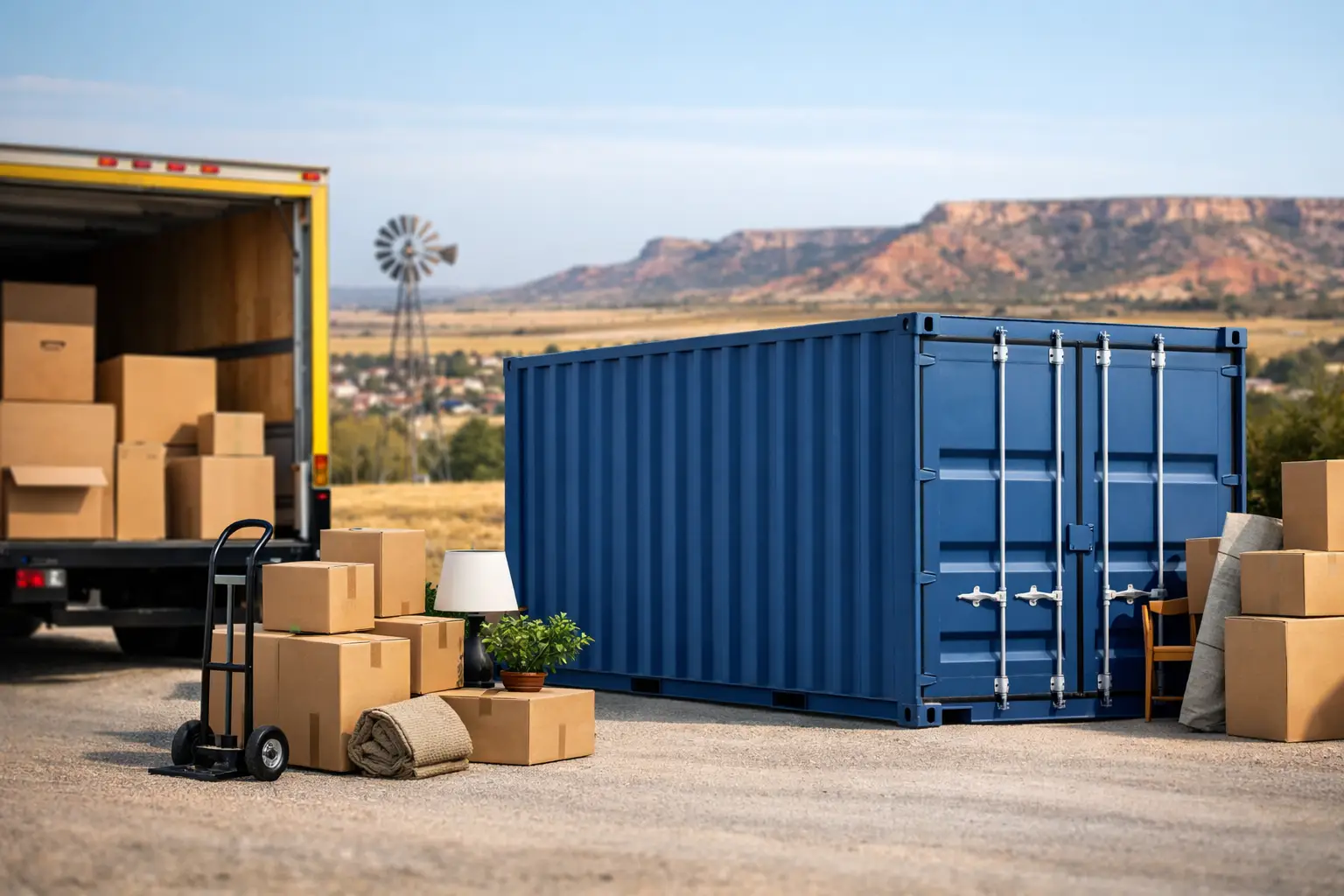
Amarillo Container Rental Guide for Moves and Storage
A move across Amarillo can turn into a one-day scramble when the truck has to be back by evening and the new place is not ready. A portable storage container changes that schedule. This Amarillo container rental guide explains how the service works, when it makes sense, and what to consider before a container arrives at your home, business, or job site.
Portable containers are not just for moving. They can hold furniture during a remodel, keep inventory out of the way during a business expansion, or give a contractor a secure place for materials and equipment. The right choice comes down to your timeline, available space, and how often you need access to what you store.
How a portable container rental works
The process is simple. A weatherproof steel container is delivered to your location and placed where you need it. You load it at ground level, on your own schedule. When you are ready, the provider can move the container to a new address, leave it on-site for continued access, or take it to a secure storage facility.
That flexibility is the main difference from renting a moving truck. With a truck, packing, driving, unloading, and returning the vehicle all happen on a fixed deadline. With a container, you can pack room by room over several days or weeks. That is useful for families working around school, jobs, closing dates, and the usual surprises that come with moving.
For many Amarillo customers, on-site access is just as valuable as transportation. If you are replacing flooring, painting several rooms, or clearing out a garage, you can keep items close by without stacking them in another room or making repeated runs to a self-storage facility.
When container rental is the better fit
Portable storage is a practical option when you need time more than you need a large moving crew. It works especially well for local moves, renovation projects, downsizing, estate cleanouts, business overflow, and job-site storage.
A container can also simplify a move with an uncertain handoff date. Maybe your current lease ends before your next home is available, or your home sale closes before you can move into the next place. Instead of unloading everything into a storage unit and loading it again later, you can have the loaded container stored until the new location is ready.
For contractors, a steel storage container can reduce the daily hauling of tools, materials, and supplies. It is not a replacement for every type of job-site security plan, but it can keep equipment protected from weather and organized in one location. Businesses can use containers for seasonal inventory, office furniture during a reconfiguration, or supplies that are taking up valuable floor space.
A traditional self-storage unit may still be the better choice if you expect to visit your belongings frequently and need indoor hallway access or a climate-controlled environment. A rental truck may make more sense for a small, same-day move with a firm schedule and enough help to finish quickly. The best option depends on how much uncertainty and physical work you want to take on at once.
Choose a container size based on what you are storing
Do not choose a container only by the number of rooms in your house. Garages, workshops, large furniture, and business equipment can take up more space than expected. Start with your largest items: sectionals, appliances, mattresses, dining tables, shelving, tool chests, and palletized materials. Then think about boxes and the room needed to load safely.
A smaller container can work for a studio, apartment, or targeted renovation project. A larger container may be a better value for a full household move or a commercial cleanup because it reduces the chance of needing a second unit. Still, extra space is not always helpful if your driveway or job site has limited room.
Ask about interior dimensions, door opening width, weight limits, and whether the container can stay on-site for the length of your project. These details affect both how much you can load and how you load it. A provider should be clear about the equipment they deliver rather than making you guess based on a vague room estimate.
Check your delivery space before scheduling
Container delivery depends on more than having an empty parking spot. The truck needs a safe approach and enough clearance to place the unit level. Before you schedule, measure the intended space and look for low tree branches, utility lines, narrow gates, steep slopes, and vehicles that may block access.
Driveways are common placement locations, but they are not the only option. A level side yard, business lot, or job-site area may work when approved and accessible. If you live in a neighborhood with a homeowners association or plan to place a container on a street, check local rules first. Approval requirements and allowable rental periods can vary by property and location.
It is also smart to consider the surface. A firm, reasonably level surface helps with safe placement and makes loading easier. Let the rental company know about tight turns, gravel, soft ground, or other site conditions ahead of time. A short conversation before delivery can prevent a frustrating reschedule.
Plan for Amarillo weather and wind
The Texas Panhandle is known for fast-changing conditions. Wind, dust, rain, and temperature swings can all affect packing day. A weatherproof steel container gives your belongings more protection than leaving them under a tarp or in an open trailer, but good loading habits still matter.
Use sturdy boxes, tape them securely, and avoid overpacking them. Keep mattresses and upholstered furniture covered during loading. Place heavier items low and distribute weight from side to side. Fill empty spaces with boxes, blankets, or furniture pads so items do not shift when the container is moved.
If you are loading in windy weather, keep doors secured when you are not actively moving items. Do not leave lightweight materials or loose packing supplies outside. For valuables, important papers, electronics, artwork, antiques, and other temperature-sensitive belongings, ask whether off-site storage conditions meet your needs. Standard portable storage is designed for security and weather protection, not necessarily climate control.
Understand the features that protect your belongings
Not all portable containers are built the same way. Look for durable steel construction, weather-resistant doors, ventilation, and secure locking points. Double-sealed doors help keep wind-driven dust and moisture out, while ventilation helps manage stale air during longer storage periods.
How the container is transported matters, too. A system that keeps the unit level during loading and transport can reduce shifting inside. MODS uses a Level Lift delivery system for that reason, helping customers move packed containers without the sharp tilt associated with some loading methods.
You remain responsible for packing carefully, but the container design and delivery method should support that effort. Ask what is included with the rental and whether you need to provide your own lock, moving blankets, or loading help.
Compare the full cost, not just the first month
A low advertised rate does not tell the whole story. Before reserving a container, ask about delivery, pickup, transportation, monthly rental, storage, and any charges connected to distance, extended rental time, or difficult access. Get a clear picture of the likely cost for your actual plan.
Portable storage can save money when it eliminates truck rental days, fuel, mileage charges, and the need to rent a separate storage unit. It can also reduce indirect costs, such as taking extra time off work because everything must happen in one day. On the other hand, if you only need to move a few items across town immediately, a container may be more service than you need.
The most useful quote is one built around your timeline. Be honest about whether you need the container for a weekend, a month, or an open-ended project. Flexibility is valuable, but it should be priced clearly.
Load with the next step in mind
Pack the container as if you may need to find something before the move is over. Put items you will need soon near the doors: cleaning supplies, basic tools, bedding, work materials, or inventory you expect to access. Label boxes on more than one side and keep a simple inventory on your phone or on paper.
Load heavy furniture and appliances first, then build stable tiers with boxes. Use straps where appropriate, protect corners with pads, and avoid placing heavy items on fragile furniture. Leave a narrow path only if you genuinely need regular access. Otherwise, use the available space efficiently and secure the load.
A container rental should make your project easier, not force your schedule into someone else’s rules. Choose a provider that explains delivery, access, storage, transportation, and pricing in plain language. Then give yourself enough time to pack carefully. That extra breathing room is often what makes a move, remodel, or job-site project feel manageable.