
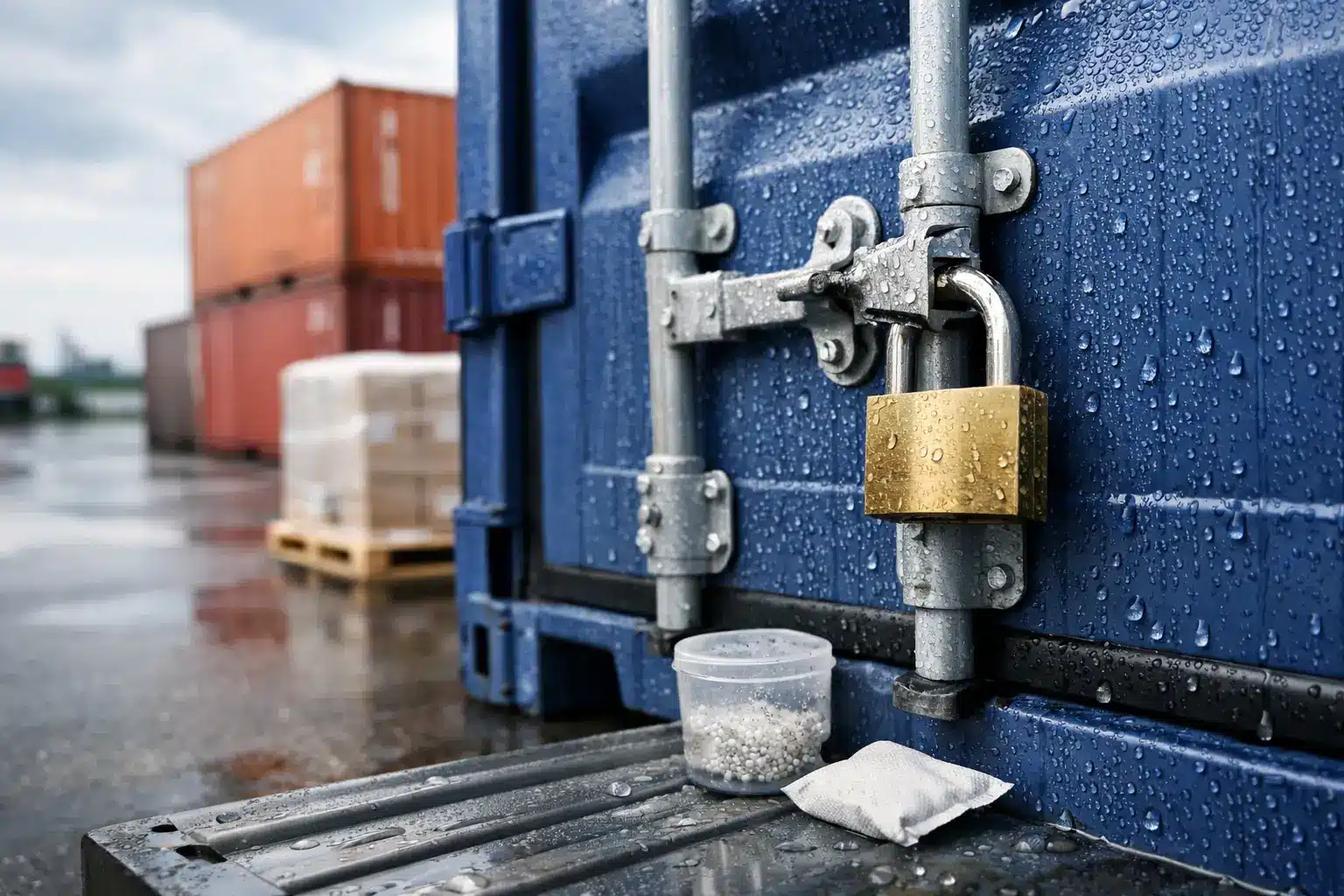
Can Containers Protect Against Moisture? Yes, With Care
Can containers protect against moisture? Yes – when the container is well built, properly closed, and packed with moisture control in mind. A weatherproof portable storage container can keep out rain, wind-driven water, and road spray far better than a tarp, shed, or open trailer. But protecting your belongings from moisture also means managing the humidity and condensation that can develop inside any enclosed space.
That distinction matters when you are storing furniture during a renovation, keeping business inventory out of the way, or packing a container before a move. Steel walls and sealed doors provide strong protection from the weather outside. The way you load the container helps protect against the moisture that can come from inside.
Can Storage Containers Protect Against Moisture?
A quality portable storage container is designed to shield contents from direct weather exposure. Steel construction creates a solid barrier against rain, while properly fitted, double-sealed doors help keep water from entering through the most vulnerable opening. Raised floors and a sound roof also help prevent the problems that come with standing water and roof leaks.
That makes a weatherproof container a practical choice for household goods, tools, equipment, documents, retail stock, and many other items that should not be left in a garage, carport, or uncovered job-site area. It is particularly useful during the unpredictable storms and temperature swings common in North Texas and Oklahoma.
Still, “weatherproof” does not mean every item can be loaded without preparation and forgotten for months. A container is not usually climate controlled. If warm, humid air is trapped inside and temperatures change, that moisture can condense on cooler metal surfaces. The risk is higher when items are loaded damp, when wet weather is moving through, or when the container is packed so tightly that air cannot circulate.
Rain Protection and Humidity Are Different Problems
Rain protection is about stopping water from getting in. Humidity control is about limiting water vapor already in the air. Both affect storage, but they call for different solutions.
A properly maintained steel container with secure seals does the heavy lifting against rain. Before loading, take a quick look at the interior. The floor should be dry, the roof should show no signs of leaks, and the door seals should sit cleanly against the frame when closed. Keep the doors shut when rain is expected, and avoid leaving them open while you run errands or sort items in the driveway.
Humidity is more dependent on what goes into the container. Damp cardboard, wet patio furniture, freshly cleaned rugs, or boxes brought in from a humid garage can all release moisture after the doors close. That moisture has nowhere to go quickly. As outside temperatures rise and fall, it can collect as condensation and create conditions that encourage mildew, musty odors, or corrosion.
Ventilation helps reduce trapped humidity by allowing air exchange. It is a useful container feature, but it is not a substitute for loading dry belongings and using smart packing practices. For valuable, sensitive items, add another layer of protection.
How to Pack a Container for Dry Storage
The best moisture protection starts before delivery day. Give items time to dry completely after cleaning, rain exposure, or use outdoors. A little patience at this stage can prevent a lot of trouble later.
Start by using sturdy boxes in good condition. Avoid packing with boxes that have been sitting directly on a damp garage floor or that feel soft around the bottom. For especially important paperwork, photographs, electronics, or collectibles, use sealed plastic totes or waterproof document cases instead of relying on cardboard alone.
Do not place belongings directly against the steel walls. Leave a small gap around the perimeter so air can move and so items do not touch a surface that may become cool during changing weather. Pallets, furniture pads, or boards can help lift certain items slightly off the floor when added separation makes sense. This is especially helpful for wood furniture, boxed records, paper products, and fabric-covered pieces.
Use clean moving blankets or furniture pads to protect wood, upholstery, and finished surfaces from scuffs as well as temperature changes. Wrap mattresses and upholstered furniture in purpose-made protective covers. Avoid wrapping items in ordinary plastic too tightly if they are not completely dry, because trapped moisture inside the wrap can cause the same problem you are trying to prevent.
For longer storage periods, moisture absorbers can be useful. Desiccant products pull moisture from the air and are a simple extra precaution for closets, cabinets, and containers holding sensitive belongings. Choose products sized for the space, place them where they will remain upright, and check or replace them according to the product directions.
Items That Need Extra Attention
Most household goods do well in a weatherproof container when packed dry and protected. Some items need more planning because they are more sensitive to humidity or temperature changes.
Electronics, musical instruments, fine art, antiques, important paper records, vinyl records, and delicate collectibles may be better suited for climate-controlled storage if they will sit for an extended period. Wood can expand or contract, metal can corrode, and paper can absorb moisture. A weatherproof container protects these items from rain, but it cannot hold a fixed temperature or humidity level.
Avoid storing anything wet or anything that can leak. That includes damp clothing, wet towels, recently used cleaning equipment, open paint cans, and containers of liquid that are not approved for storage. Beyond moisture concerns, certain materials may be unsafe to store or transport. When in doubt, dry it, dispose of it properly, or keep it out of the container.
For contractors and small businesses, tools and equipment should be cleaned and dried before storage. Keep metal tools off the floor when possible, and use protective cases for precision equipment. Inventory packed in cartons should be elevated and arranged so it can be checked without unpacking the whole container.
Delivery and Placement Matter, Too
Where the container sits affects moisture protection. Choose a firm, level location with good drainage. Avoid low spots where water collects after a storm. If the ground is soft or slopes significantly, ask about the best placement before delivery rather than trying to solve it after the container is loaded.
A level container also helps doors operate correctly and keeps packed belongings from shifting. MODS uses a Level Lift delivery system to keep containers level during delivery and pickup, which helps customers load safely and helps protect the contents during transport.
Once the container is in place, keep the area around the doors clear of standing water, mud, and debris. If you need regular access, open the doors on dry days when possible and close them securely when you are finished. Repeatedly leaving doors open during humid or rainy weather can introduce more moisture than the container itself ever would.
When Weatherproof Storage Is the Right Choice
A weatherproof portable storage container is a strong fit for temporary storage during a move, renovation, remodel, home sale, job-site project, or business overflow situation. It gives you ground-level access and the time to load at your own pace without exposing your belongings to the weather every time you transport a load.
It may not be the right answer for every item or every timeframe. If you are storing highly valuable temperature-sensitive belongings for a year or more, climate-controlled storage may be worth the added cost. If you are storing standard household furniture, boxed belongings, tools, seasonal items, or business supplies for a normal moving or storage period, a well-maintained weatherproof container and careful packing are often the more convenient option.
The practical rule is simple: use the container to keep weather out, then load only clean, dry belongings and give moisture-sensitive items extra protection. That approach lets you use portable storage with confidence while keeping your move, project, or storage plan on your schedule.