
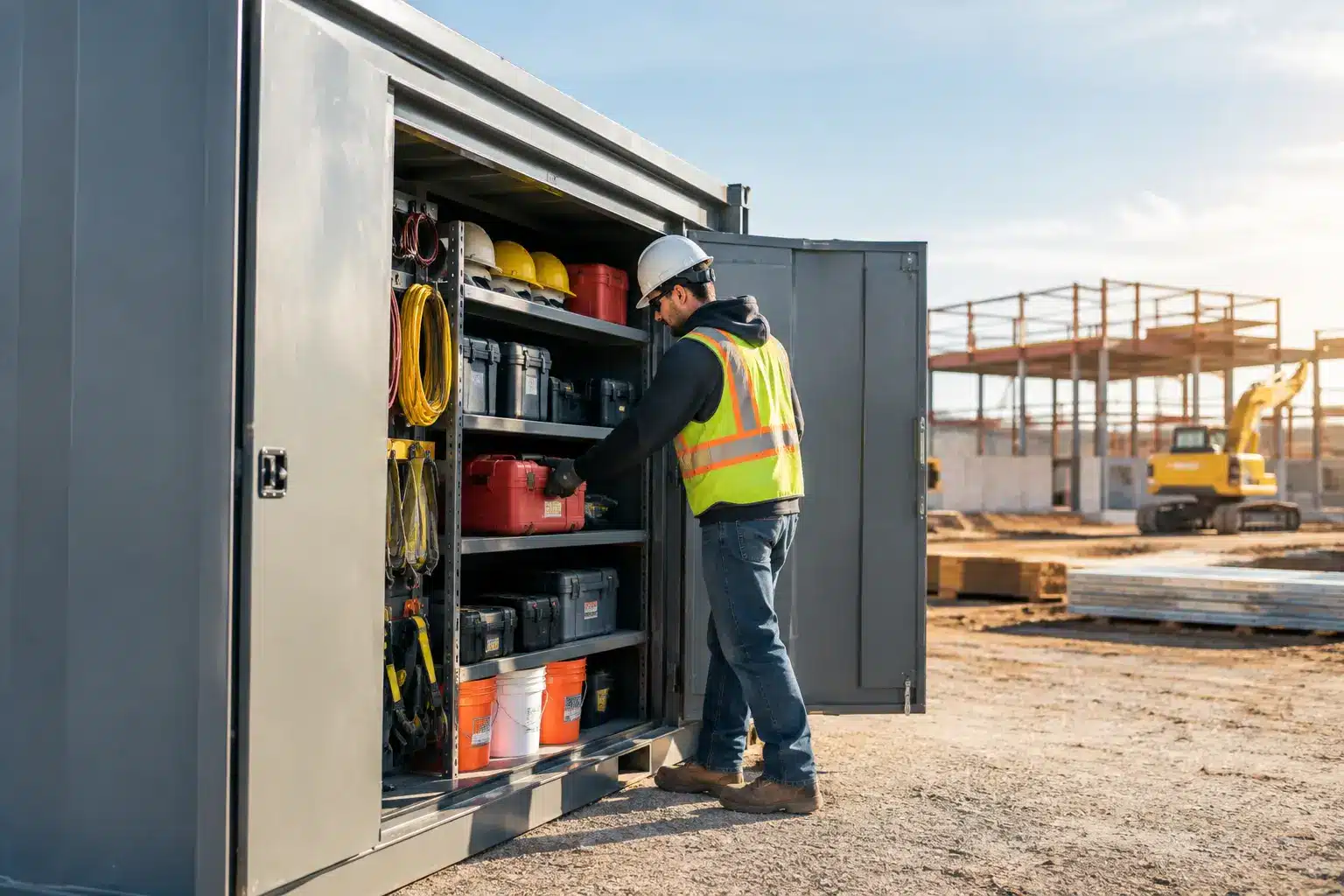
Jobsite Storage That Keeps Your Work Moving
A job site can lose time fast when materials are scattered, tools are exposed, or crews have to leave the site to pick up what they need. Reliable jobsite storage gives your team one designated place for equipment, supplies, and materials, helping work stay organized from the first day of a project through final cleanup.
For contractors, remodelers, property managers, and small business owners, the right storage setup is not just about finding extra space. It is about protecting valuable items, keeping access simple, and avoiding delays that cost labor hours.
Why Jobsite Storage Matters
Construction and renovation projects create a moving target. Materials arrive before they are needed, crews rotate in and out, and weather can change the plan for the day. Without secure storage at the property, lumber, drywall, fixtures, power tools, and job-specific equipment may end up spread across garages, trailers, temporary shelters, or multiple vehicles.
That arrangement creates problems beyond clutter. Workers waste time looking for supplies. Important materials can get wet or damaged. Tools may be left in places where they are easier to steal. Even a well-run project can slow down when the crew starts each morning by figuring out what was moved, used, or misplaced the day before.
A steel storage container placed at the job site gives the project a practical home base. Materials can be delivered directly to the site and secured until they are needed. Crews can access what they need during the workday without repeated trips to a warehouse or self-storage unit.
This is especially useful for projects where the property is still occupied. During a home remodel, for example, the homeowner may need the garage, driveway, or interior rooms to remain as clear as possible. A container provides storage that is close by without putting construction materials inside the living space.
Choose the Right Jobsite Storage Setup
The best setup depends on the project, the amount of material being stored, and how often your crew needs access. A short repair job with a small team may only need room for tools and a few deliveries. A larger commercial build-out or multi-week renovation may need space for pallets of materials, equipment, fixtures, and debris-management supplies.
Start by thinking through what needs to be stored on site. Separate items that are used every day from items that will sit until a later stage of the project. Frequently used tools should be easy to reach near the door. Heavy boxes, replacement materials, and items scheduled for later installation can be stored farther back.
Also consider the flow of the job. If electricians, painters, flooring installers, and plumbers will work at different times, each trade may need access to different materials. Labeling sections inside the container can prevent one crew from moving another crew’s supplies just to reach its own equipment.
A portable storage container is often a better fit than off-site storage when access matters. Off-site units can work for long-term inventory or seasonal equipment, but they require someone to drive there, load up, and return to the job. On-site storage keeps the materials where the work is happening.
Place the Container With the Work in Mind
Container placement affects safety, access, and daily productivity. Before delivery, identify a firm, reasonably level area with enough room for the container and the delivery truck. Keep the location clear of low branches, overhead lines, parked vehicles, and other obstacles.
The best spot is usually close enough for easy access but out of the way of active work zones. Avoid blocking gates, garage access, emergency routes, customer entrances, or areas where concrete trucks, dumpsters, and large deliveries need to maneuver. On a residential job, that may mean placing the container along one side of the driveway rather than directly in front of the home.
Think ahead about door clearance, too. You need room for the doors to open fully and for workers to safely carry or roll items in and out. If materials will arrive on pallets, make sure there is a practical path from the unloading point to the container.
At MODS, containers are delivered with a Level Lift system that keeps them level during transport. That helps reduce shifting inside the container and is particularly helpful when you are storing boxed materials, fixtures, or organized shelves. Still, proper site selection remains important. A stable location helps keep access safer and makes it easier to organize the space.
Protect Tools and Materials From Weather
Jobsite materials are expensive, and many do not handle moisture well. Drywall, flooring, cabinets, insulation, paint products, hardware, and boxed fixtures can all be affected by rain, humidity, dust, or sudden temperature changes. Leaving them under tarps or in an open trailer may be workable for a day, but it is not a dependable plan for a project that lasts weeks.
Weatherproof steel containers provide better protection from the elements than temporary coverings. Double-sealed doors help keep rain and wind-blown debris out, while ventilation helps manage the conditions inside the container. This matters in Texas and Oklahoma, where wind, heavy rain, heat, and rapid weather changes can all show up during the same project.
Good packing habits add another layer of protection. Keep boxes off the floor when possible by using pallets or lumber runners. Store moisture-sensitive materials away from the doors and do not pack the container so tightly that you cannot inspect items or move them safely. If you are storing paint, adhesives, or other temperature-sensitive products, check the manufacturer’s storage requirements before placing them in any container.
Keep the Site Secure Without Slowing Down the Crew
Security is one of the main reasons contractors use on-site containers. A locked steel container gives tools and materials a stronger layer of protection than an open job trailer, a temporary tent, or a pile of supplies left in the garage.
The goal is not only to prevent theft. It is also to create accountability. When workers know where equipment belongs at the end of the day, it is easier to notice when something is missing and easier to keep costly tools from being left outside overnight.
Assign responsibility for opening and securing the container each day. Limit key or lock access to the people who need it, and make sure the last person leaving the site checks that the doors are closed and secured. For higher-value equipment, keep an inventory list and photograph major tools or materials when they arrive.
Do not store fuels, propane cylinders, hazardous chemicals, or items that create a fire risk unless the container and local regulations specifically allow it. A storage container is a practical work tool, but it should not replace safe handling procedures.
Organize the Interior for Faster Workdays
A container can become just as disorganized as a garage if everything gets stacked wherever there is an opening. A little planning saves time every day.
Create a clear center path from the doors to the back. Place heavier items low and distribute weight across the floor rather than loading one side. Keep commonly used equipment near the entrance, and reserve the back for bulk supplies or materials needed later in the project.
For longer jobs, simple labels can make a major difference. Mark sections for electrical, plumbing, flooring, paint, hardware, or consumables. If several people use the container, establish a basic rule: return tools to their assigned location before leaving. That is easier to maintain than asking one person to reorganize the entire container every Friday.
If your project involves a move, renovation, or phased build-out, portable storage also gives you flexibility at the end. The container can remain on site while the work continues, be moved to a new location, or be placed in secure off-site storage once access is no longer needed.
Know When On-Site Storage Is Worth It
A jobsite container is most valuable when the project has enough duration, material volume, or equipment needs to justify keeping everything close. It can reduce delivery coordination, minimize trips to a shop, and help crews start work prepared each morning.
For very small, one-day jobs, a work truck or enclosed trailer may be enough. For projects that require frequent material deliveries, multiple trades, expensive tools, or a clear work area inside the property, on-site storage usually pays off in saved time and fewer headaches.
Before scheduling delivery, confirm property access, homeowner or site approval, neighborhood rules, and any permit requirements that may apply. A few minutes of planning before the container arrives can prevent a placement issue that disrupts the rest of the job.
The best jobsite storage plan is the one that lets your crew spend less time managing materials and more time completing the work. Put the container where it supports the job, organize it for the way your team works, and keep it secure at the end of every day.