
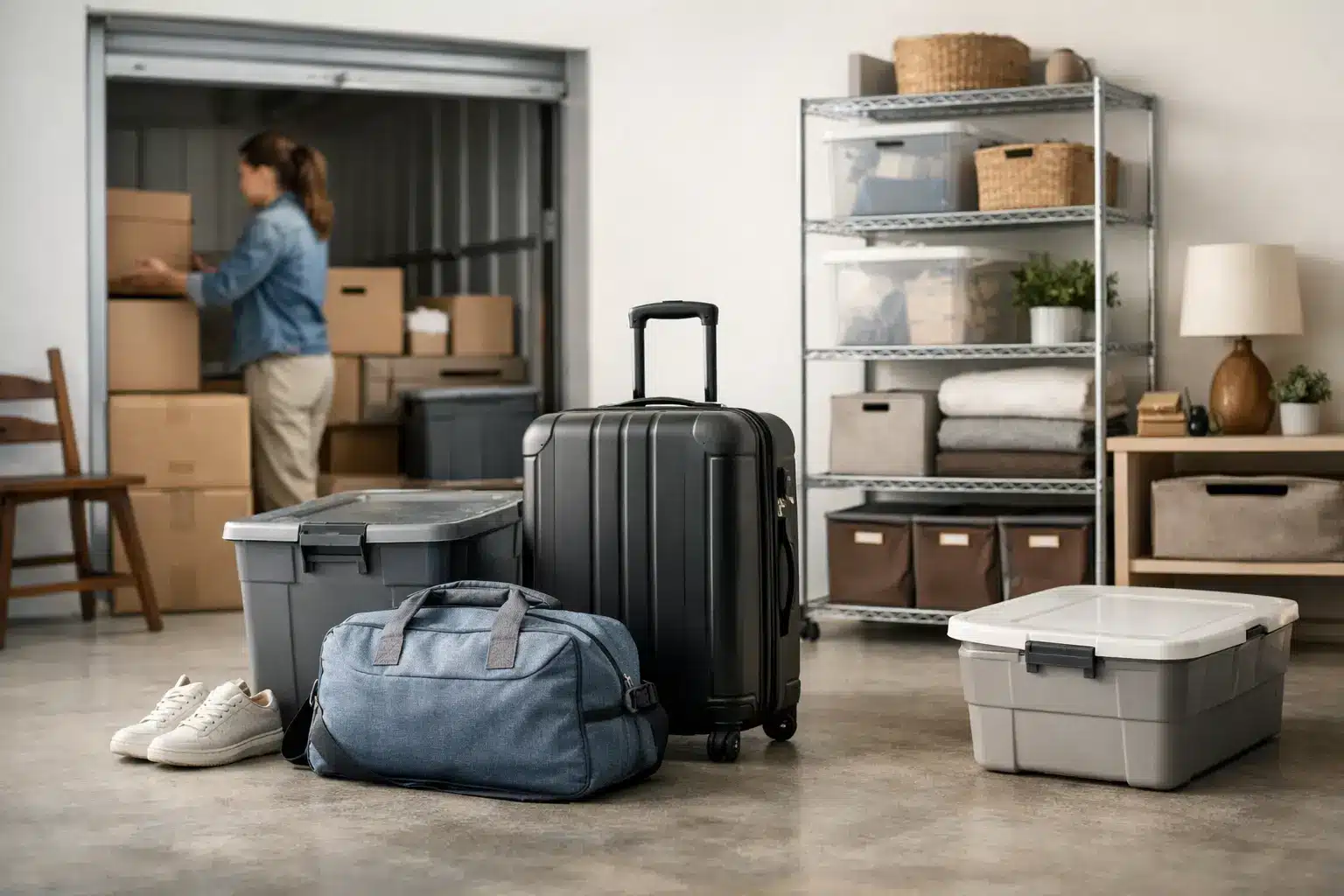
Best Storage Options for Renters Who Need Flexibility
A lease end date can turn a manageable apartment into a moving-day problem fast. The best storage options for renters give you room to handle an early move-out, a gap between homes, a renovation, or simply too much stuff without forcing every decision into one long weekend.
The right answer depends on what you are storing, how long you need the space, and whether you need regular access. A small climate-controlled unit may make sense for a few boxes and furniture you value. A portable storage container can be the better fit when you need to pack at your own pace, move locally, or avoid loading and unloading the same belongings several times.
Best storage options for renters, compared
Renters usually have four practical choices: storage inside the rental, a traditional self-storage unit, storage with friends or family, or a portable storage container. Each solves a different problem. The goal is not to find the cheapest option on paper. It is to avoid paying for an option that creates extra hauling, tight deadlines, or damage risk.
1. Make better use of space inside your rental
If the problem is everyday clutter rather than a move, start with the space you already pay for. Under-bed bins, vertical shelving, closet organizers, over-the-door racks, and furniture with built-in storage can create useful room in a small apartment or rental home.
This option costs the least and keeps your belongings close. It works well for seasonal clothing, extra linens, kitchen equipment, and items you use every few weeks. It is less useful for large furniture, moving boxes, business inventory, or belongings that are making your living space difficult to use.
Be careful about modifications. Many leases prohibit wall-mounted shelving, ceiling storage, or changes that leave large holes behind. Freestanding shelves and removable solutions are usually easier to live with when it is time to move out.
2. Use a traditional self-storage unit for small, accessible loads
A self-storage facility can be a solid choice when you need to visit your belongings often. For example, a renter operating a small online business may need regular access to inventory. Someone between college semesters may only need a small unit for a mattress, boxes, and a few personal items.
The trade-off is the work around the unit. You need to pack a vehicle or rent a truck, drive to the facility, unload, and repeat the process when you are ready to move. A unit that looks inexpensive can become more expensive after truck rental, fuel, moving supplies, and time are added.
Before signing, ask about access hours, required insurance, locks, rate increases, and move-out notice. If you are storing electronics, wood furniture, artwork, records, or other items affected by temperature and humidity, ask whether climate control is necessary. It costs more, but it may be worth it for sensitive belongings.
3. Store items with friends or family for a short-term gap
A spare garage, basement, or guest room can help when the gap is brief and the amount is small. This can work if your new lease starts a week or two after your current lease ends and you only need a place for a few boxes.
Still, free storage is not always free in practice. Your belongings take up someone else’s space, access may be inconvenient, and a casual arrangement can become awkward if the timeline changes. Do not use this option for a large household load unless everyone is clear on how long the items will stay and how they will be protected.
4. Choose portable storage when packing, moving, and storage overlap
Portable storage is built for renters who need more control over the schedule. A container is delivered to your address, you load it at ground level on your own timeline, and then you choose whether it stays on-site, moves to your next location, or goes to an off-site storage facility.
This is particularly useful when you are moving from one rental to another, downsizing, waiting on a new home, or clearing rooms for repairs. Instead of loading a truck, unloading it at a storage unit, then loading everything again later, you load once. That can reduce handling, save time, and make a lease transition less rushed.
MODS uses weatherproof steel containers with double-sealed doors and ventilation, then transports them with a Level Lift delivery system designed to keep the container level in transit. For renters with furniture, boxed household goods, or tools, those details matter because storage is only helpful if your belongings are protected while they wait.
Portable storage is not the best fit for every property. Apartment communities may have limited drive space, assigned parking, strict rules about container placement, or narrow access points. Ask your landlord or property manager before scheduling delivery. A quick conversation upfront is easier than trying to solve a parking or permission issue on delivery day.
How to choose the right renter storage solution
Start with your timeline. If you are keeping a few belongings for several months and want frequent access, a nearby self-storage unit may be practical. If you are packing for a move and do not know exactly when your new place will be ready, portable storage often offers more breathing room.
Next, look at how many times your belongings will be handled. Every transfer from apartment to truck, truck to unit, unit to truck, and truck to new home adds labor and another chance for a scratched table or crushed box. For a larger move, choosing a method that limits handling can be worth more than a slightly lower monthly rate.
Then consider the items themselves. Valuable or delicate belongings may need climate control or careful packing. Heavy furniture and large household loads need enough space, a clear loading plan, and a storage option that does not leave you carrying a sofa up a ramp multiple times.
Finally, read your lease and check the property layout. A renter in a single-family home may have space for a container in the driveway. A renter on the third floor of an apartment complex may be better served by a storage facility or a portable-storage plan that accounts for the community’s delivery rules.
Costs renters should compare before booking
Monthly rent is only one part of the price. Traditional storage can involve a truck rental, mileage, fuel, a lock, insurance, and possible administrative fees. It can also require two or more separate moving days. Portable storage may bundle more of the process, but delivery, transportation, and off-site storage charges should be clear before you reserve.
Ask for a straightforward estimate based on your actual plan: on-site storage, storage at a facility, delivery to a new address, or a combination. Also ask how billing works if your move date shifts. Renters rarely control every part of a move, especially when repairs, inspections, employment changes, or a delayed closing affect the schedule.
A useful decision comes down to four questions:
- How much space do I need after I get rid of items I will not keep?
- Will I need access to these belongings while they are stored?
- Can I legally and safely use a container at my current rental?
- How many times am I willing to load and unload everything?
Your answers usually point to the right choice quickly.
Pack for storage, not just for moving day
Storage periods have a way of lasting longer than expected. Use sturdy boxes, label every side, and keep an inventory on your phone or in a notebook. Put heavier boxes on the bottom, distribute weight evenly, and use furniture pads or blankets to protect wood and upholstered pieces.
Avoid storing food, liquids, flammables, propane tanks, or anything that can leak, spoil, or create a safety issue. Keep important documents, medications, irreplaceable photos, and high-value jewelry with you rather than in storage. If you may need a particular item soon, load it near the door instead of burying it behind furniture.
Renting does not mean your move or storage plan has to run on someone else’s deadline. Choose the option that fits your space, your property rules, and your real timeline, then give yourself enough room to make the next move carefully.