
Portable Moving Container Review for Real Moves
A move can fall apart before the first box is packed. A truck rental may be available for only one day. The new home may not be ready. Rain, work schedules, closing delays, and a shortage of helping hands can turn a simple plan into a rushed weekend. This portable moving container review looks at whether container moving solves those problems and what to check before you reserve one.
Portable containers are not the right answer for every move. If you have a small apartment, a clear moving date, and a crew ready to work in one day, a truck may still make sense. But for households, businesses, and contractors who need more control over timing, a delivered container can reduce the pressure considerably.
How Portable Moving Containers Work
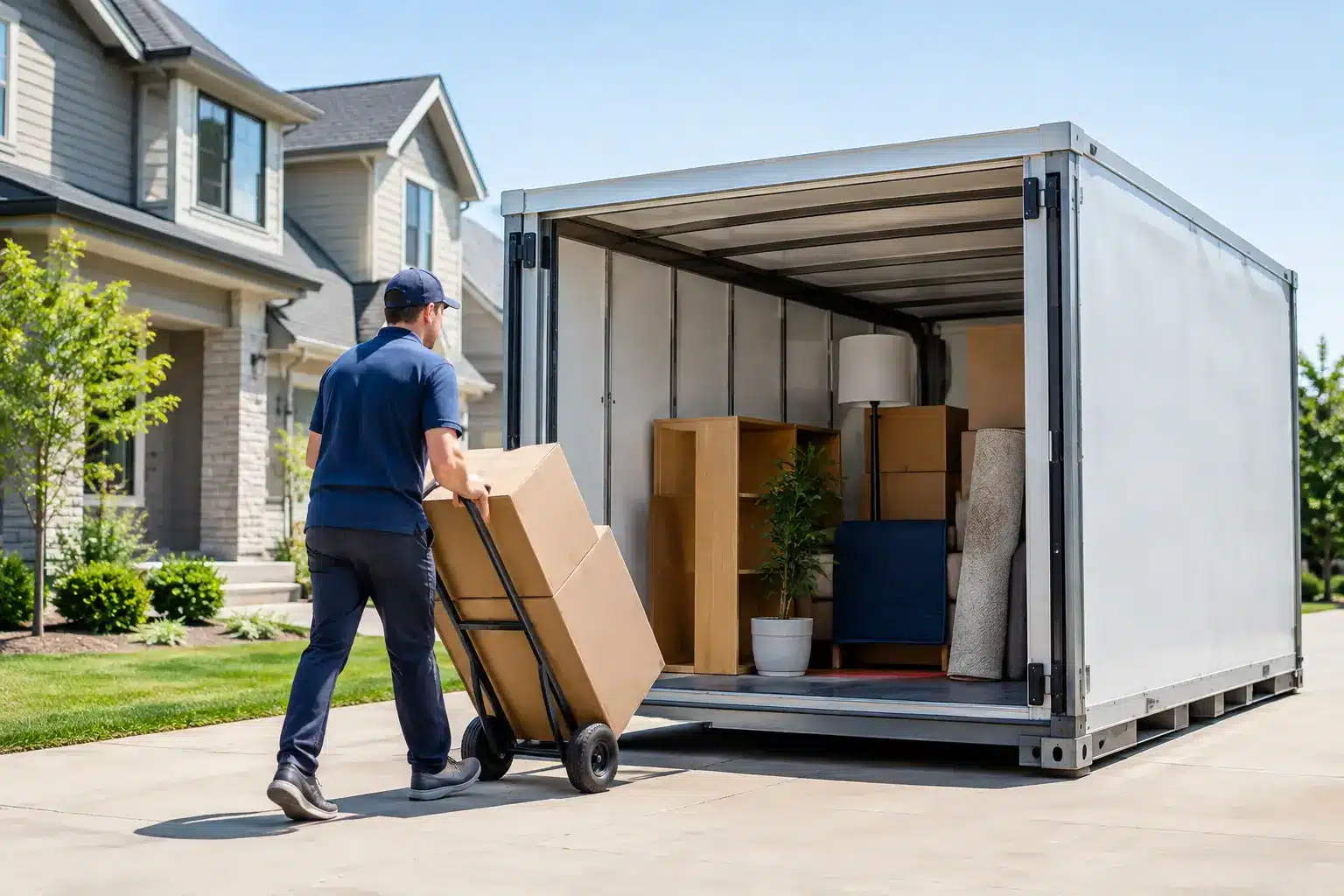
The process is straightforward. A company delivers a container to your driveway, business, or job site. You load it at ground level, usually over several days or weeks rather than a single rental period. When you are ready, the company picks it up and either moves it to your next location or stores it at a secure facility.
That difference in timing is the main reason people choose a container. You are not trying to load a truck by 5 p.m., drive it across town, unload it, and return it before late fees begin. You can pack room by room, keep essentials accessible, and adjust if your schedule changes.
For a renovation or business project, the container can remain on-site as temporary storage. For a longer gap between homes, off-site storage may be the better choice. The same container can often serve both purposes, which means less handling of your belongings.
Portable Moving Container Review: What Matters Most
A useful portable moving container review should look beyond the advertised monthly rate. The best option is the one that fits your property, protects your items, and gives you clear answers about delivery, pickup, and storage.
Delivery access and placement
Start with the practical question: where will the container sit? Most customers use a driveway, but the surface, slope, overhead clearance, gates, and street access all matter. A narrow drive, low tree branches, parked vehicles, or a steep grade can affect whether delivery is possible or where the unit can be placed.
Ask how the company unloads and retrieves the container. A system that keeps the container level during delivery helps prevent boxes, furniture, and equipment from shifting before you have even started the move. MODS uses a Level Lift delivery system for this reason, which is especially helpful when customers are loading fragile household goods, tools, or office equipment.
If you live in a neighborhood with an HOA or plan to place the container on a street, check local rules before delivery. Getting permission early is easier than moving a loaded container later.
Container construction and weather protection
Not all portable storage containers are built the same way. Look for durable steel construction, doors that close securely, ventilation, and weather protection that makes sense for local conditions. In North Texas and Oklahoma, customers may deal with heavy rain, strong wind, heat, dust, and sudden weather changes in the same season.
Steel walls offer more protection than lightweight alternatives, particularly for longer storage periods or job-site use. Double-sealed doors help keep weather out, while ventilation can reduce the stale, closed-up conditions that concern people storing furniture, documents, inventory, or household belongings.
Protection also depends on how you pack. Use sturdy boxes, keep furniture off bare floors when possible, wrap vulnerable items, and distribute weight evenly. Fill open spaces so boxes do not slide during transport. Even a well-built container cannot protect items that were loosely stacked or improperly packed.
Ground-level loading
Ground-level loading is one of the clearest advantages over a traditional moving truck. Instead of carrying heavy furniture up a ramp, you can walk directly into the container. That may not sound dramatic until you are moving a refrigerator dolly, a sectional sofa, boxes of books, or contractor equipment.
The lower entry point can make loading safer and easier for families handling much of the work themselves. It also gives you time to organize the container properly. Place heavier items toward the front, use straps or tie-down points if available, and build stable rows rather than stacking everything near the door.
Timing and rental flexibility
The most common mistake is assuming a container rental works like a truck rental. It should not. The value comes from having time.
Before booking, ask how monthly billing works, how much notice is needed for pickup, and whether delivery dates can be adjusted. Find out what happens if your closing date changes or construction runs long. Clear policies matter more than a low initial price if your plans are likely to shift.
This flexibility is useful for more than residential moves. A small business can store seasonal inventory during a remodel. A contractor can keep materials and tools closer to the job site. A homeowner can clear rooms before painting, flooring work, or staging a house for sale.
Total cost, not just the first quote
Container pricing can include delivery, pickup, transportation, monthly rental, and storage. The exact combination depends on whether the unit stays at your property, moves locally, or goes into a storage facility. Ask for the full expected cost based on your actual plan, not just the first month.
Compare that number with the complete cost of a truck move. A truck may require fuel, mileage charges, insurance, extra rental days, and possibly a separate self-storage unit. It can still be a good deal for a short, simple move. But when you need storage before or after moving, a portable container may replace several separate arrangements.
Price should not be the only decision point. A cheaper option that has limited scheduling, unclear fees, or poor delivery access can cost more in time and frustration.
When a Container Is a Better Fit Than a Truck
A portable container tends to work best when your move has a gap in it. Maybe your home sells before your next closing date. Maybe you are renovating one room at a time. Maybe your business needs temporary space without sending staff back and forth to a storage facility.
It is also a strong fit when you want to load gradually. Families with children, people working full time, and anyone coordinating help from friends often benefit from spreading the work across several days. You control the pace instead of planning your entire move around a rental return deadline.
A truck can be better for a fast, local move with little to store and a reliable crew. It may also be necessary if your property cannot accommodate container delivery. The right choice depends on your access, timeline, load size, and whether you need storage along the way.
Questions to Ask Before You Reserve
Get specific before choosing a provider. Ask what container sizes are available and how much space is needed for delivery. Confirm whether the container can stay on your property, what surfaces are acceptable, and how pickup scheduling works.
You should also ask about the condition and construction of the unit, security during off-site storage, and what is included in transportation. If you are moving valuable business items or keeping a container at a job site, ask how the doors secure and whether you need to provide your own lock.
Finally, describe your real timeline. Do not give the company your ideal moving date if you know it could change. A good local provider will explain the options plainly and help you plan around the uncertainty instead of pretending it does not exist.
Before delivery day, measure your driveway, move vehicles out of the way, look up for branches and utility lines, and decide where the container will sit. Those few minutes of preparation can make the rest of the move far easier.