
Container Rental Guide for Moving and Storage
A moving truck gives you a deadline. A traditional storage unit gives you a drive across town every time you need something. A portable container gives you room to work on your own schedule. This container rental guide explains what to expect, what to ask, and how to decide whether a container is the right fit for your move, renovation, business, or job site.
When a Container Rental Makes Sense
Container rentals work best when your timeline is not perfectly predictable. That includes a home sale with staggered closing dates, a renovation that takes longer than planned, a move where you want to pack over several days, or a business that needs temporary space without committing to a larger building.
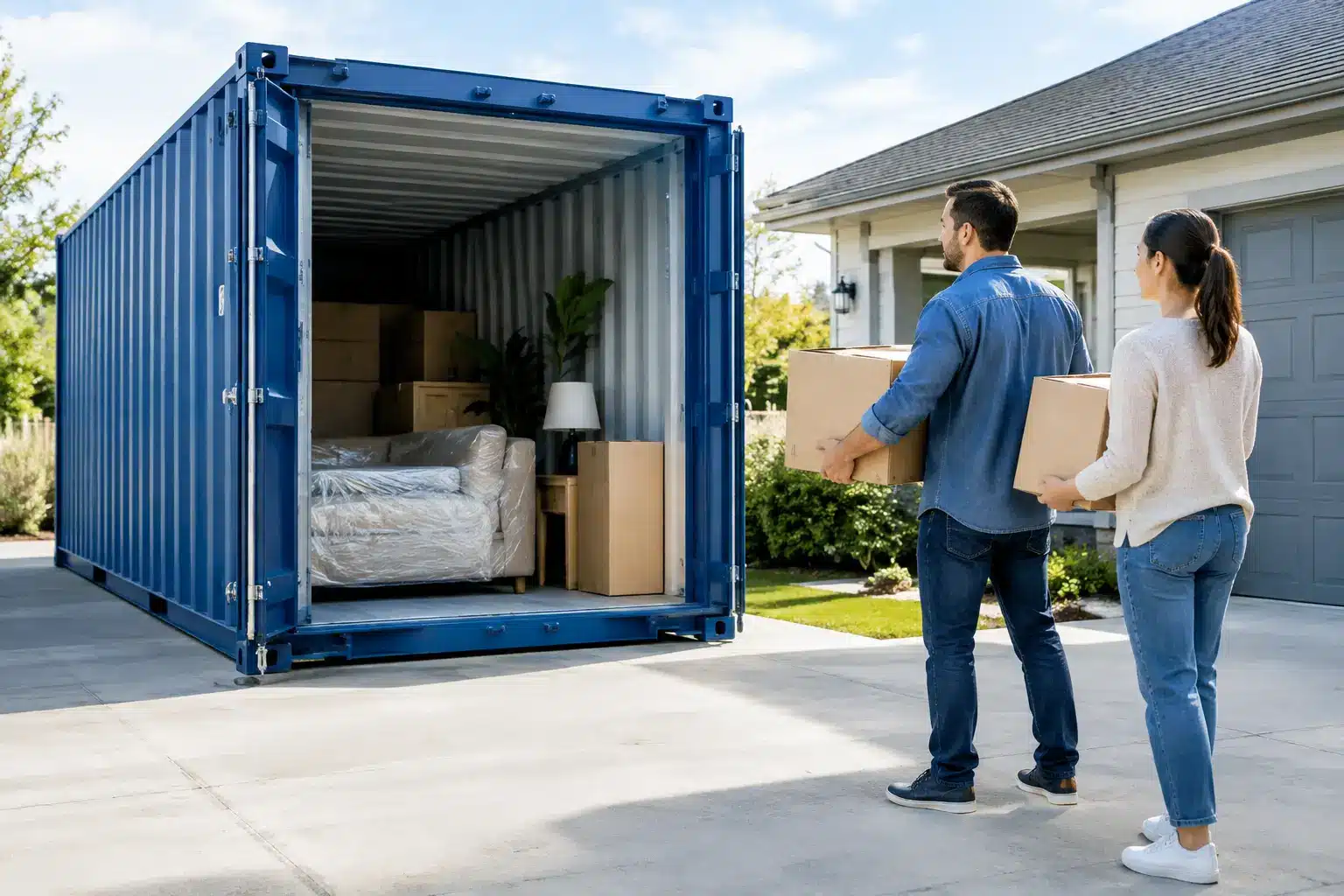
The basic process is simple. The container is delivered to your home, business, or job site. You load it at ground level, on the schedule that works for you. When you are ready, the provider can leave it on-site, move it to a new address, or place it in secure storage.
That flexibility is the main advantage over renting a truck for one rushed day. You also avoid loading everything into a truck, driving it yourself, unloading it into a storage unit, and then repeating the process later. A container can reduce handling, which matters when you are protecting furniture, equipment, inventory, or boxes packed by family members.
A container is not the answer to every storage need. If you only have a few small items and need regular access, a nearby self-storage unit may be more practical. If you are moving a long distance beyond a provider’s service area, another option may fit better. The right choice depends on how much you have, how quickly you need to act, and whether your belongings need to stay close by.
Choosing the Right Container Size
The right size is not just about square footage. Think about the rooms, bulky items, and work materials you need to store, plus how long you may need access. A container that is too small leads to rushed decisions and stacked boxes that are hard to retrieve. One that is much larger than necessary can add cost without adding much value.
Start by taking inventory of your largest items: appliances, sectionals, mattresses, dining tables, tool chests, shelving, pallets, and equipment. Then estimate the number of rooms or work areas being packed. Be realistic about boxes. Most households underestimate how much space is taken up by kitchen items, closets, garages, and storage sheds.
Plan for access, not just capacity
If the container will remain on your property during a remodel or business project, leave a narrow path from the doors toward the back. Put the items you will need first near the entrance. This can save hours of unloading later just to find a tool, file box, or piece of furniture.
For a move, loading tightly and evenly is usually the better approach. Place heavy items along the walls and toward the front of the container, then fill gaps with lighter boxes, cushions, or other soft goods. Keep weight distributed from side to side. A well-packed container protects your belongings and makes transportation safer.
Check Your Delivery Space Before You Schedule
A portable container needs a clear, reasonably level place for delivery. Before scheduling, look for parked vehicles, low tree branches, overhead lines, narrow gates, soft ground, and steep slopes. If you live in a neighborhood with a homeowners association or park in a shared lot, check whether temporary container placement requires approval.
Driveway placement is common, but it is not the only possibility. Some customers use a designated parking area, side yard, job site, or commercial lot. The best location is close enough to make loading easy while still allowing normal access to your garage, front door, or business entrance.
Ask the rental company what clearance is needed for the container and delivery vehicle. You should also ask how the container is set down and picked up. MODS uses a Level Lift delivery system that keeps the container level during transport, helping reduce the shifting that can happen when a container is tilted during loading or unloading.
If space is tight, share photos or measurements before delivery. A quick conversation upfront is better than discovering on delivery day that a truck cannot safely reach the planned location.
Understand the Rental Timeline and Costs
Most container rentals are priced around a few practical parts: delivery, pickup, monthly rental, transportation if the container is moved, and storage if it is kept at a facility. The exact price depends on container size, location, rental length, and the services you choose.
Do not choose based on the monthly rate alone. A lower advertised rate may not tell you what delivery, mileage, moving, or pickup will cost. Ask for a clear explanation of the full process you expect to use. For example, on-site storage for a month has different costs than delivery, several months of storage, and transportation to a new home.
It also helps to build in a little time. Closing dates move, contractors run late, and weather can change your plans. A monthly rental can be useful because it gives you an option when real life does not follow the calendar. At the same time, if you know you only need a container for a short project, schedule pickup promptly once it is empty.
Questions worth asking before you rent
Ask whether the rate includes delivery and pickup, how long the initial rental period lasts, and what happens if you need more time. Confirm whether the company can move the loaded container to your next address or store it at its facility. If you are using it for a job site, ask about access hours, placement requirements, and whether the container can remain in place through the project.
You should also ask about protection. Weatherproof steel construction, double-sealed doors, and ventilation are useful features because containers often sit outdoors through changing Texas and Oklahoma weather. Still, pack with care. Use sturdy boxes, cover upholstered furniture, and avoid placing moisture-sensitive items directly on the floor.
Pack for Protection and Easier Unloading
A container is durable, but good packing does most of the work when it comes to protecting what is inside. Start with a loading plan before you bring out the first box. Heavy furniture and appliances should go in first, followed by dense boxes. Lighter items, lamps, cushions, and fragile cartons should go higher or into protected gaps.
Use moving blankets for wood furniture, mirrors, glass, and appliances. Strap tall or heavy pieces to interior tie-down points when available. Fill empty spaces so items cannot slide. A few minutes spent securing a load is especially valuable if the container will be transported to another location.
Label boxes on more than one side and keep an inventory on your phone or on paper. For long-term storage, place seasonal items and rarely used belongings toward the back. Keep documents, medications, valuables, and anything you may need quickly outside the container or near the door.
Do not store hazardous or flammable materials. Gasoline, propane tanks, paint thinners, fireworks, chemicals, and other restricted items can create safety problems and may violate the rental agreement. When in doubt, ask before loading it.
On-Site Storage vs. Facility Storage
Keeping the container at your property is useful when you need frequent access. Homeowners often use on-site storage during renovations, while contractors may keep tools, materials, and equipment close to the job. The trade-off is that the container takes up space and may be subject to neighborhood or site rules.
Facility storage makes sense when you need the container out of the way but do not want to unload everything into a conventional storage unit. Your belongings stay packed in the same container while it is stored at a secure facility. This can be especially helpful between homes, during a delayed closing, or when downsizing without a final move date.
Consider how often you truly need access. If you expect to retrieve items every week, on-site storage may be worth it. If you only need the contents again when you move, facility storage may be the cleaner option.
A Better Way to Plan a Move or Project
The most useful container rental is the one that removes pressure from the part of your life already causing stress. Schedule delivery early enough to pack thoughtfully, protect what matters, and leave room for schedule changes. Then choose whether your container stays where it is, moves with you, or waits safely until you are ready.
A little planning turns a container from a big steel box in the driveway into a practical buffer between where you are now and what comes next.