
Do Containers Leak? What Keeps Storage Dry
A rainstorm is not the time to wonder, “do containers leak?” If you are storing furniture, boxed keepsakes, inventory, tools, or renovation materials, the container’s condition matters before the first item goes inside. A quality portable storage container is built to keep normal rain and weather out, but dry storage also depends on proper doors, sound seals, good placement, and smart packing.
For most customers, the better question is not whether every container can ever develop a problem. It can. The question is whether the container you rent has the construction, inspection, and delivery practices needed to protect your belongings in real-world conditions.
Do Containers Leak in Normal Weather?
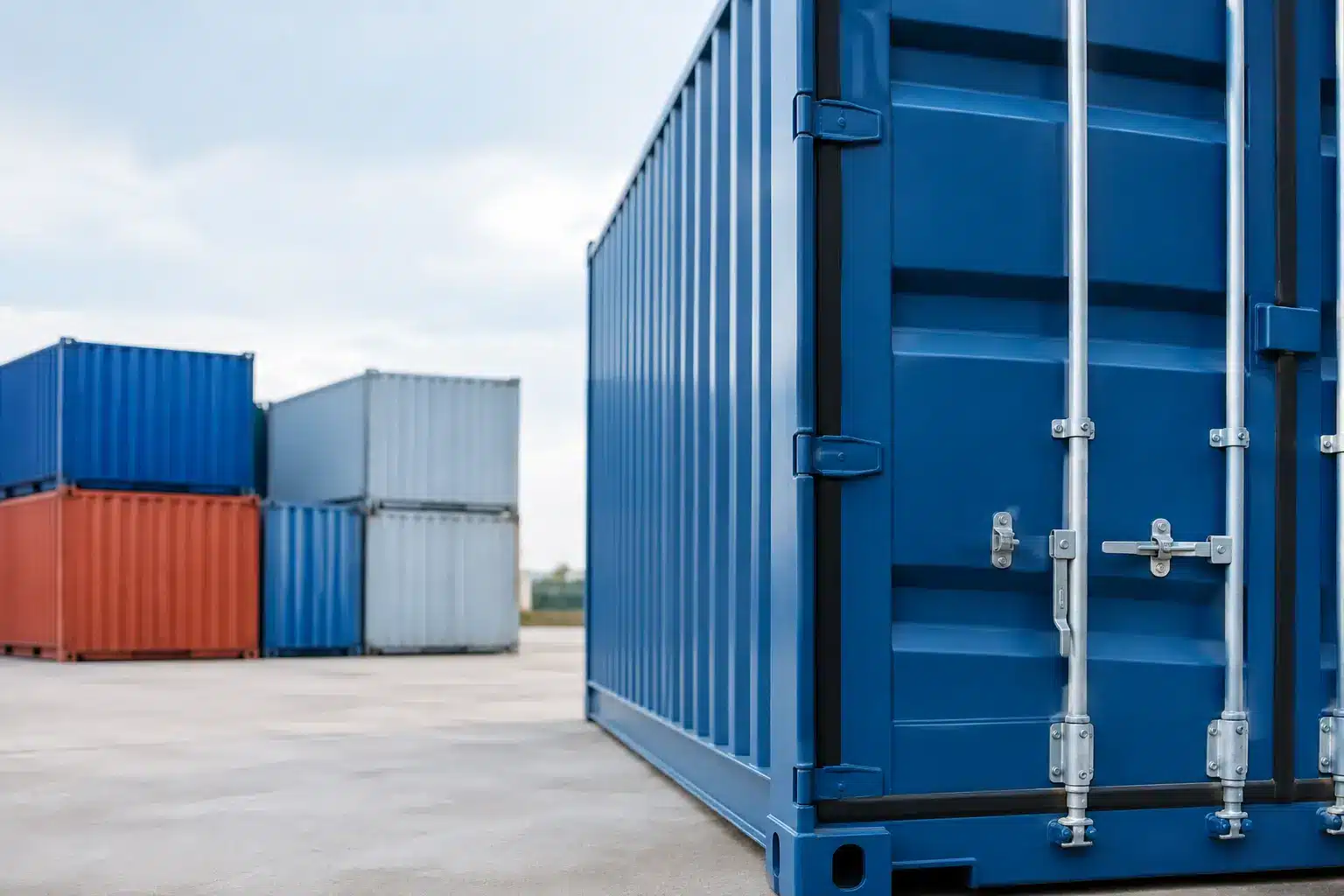
A well-maintained steel storage container should not leak during ordinary rain, wind, or changing weather. Portable storage containers are designed for outdoor use. Their steel walls and roof provide a solid barrier, while sealed doors help prevent water from entering at the most vulnerable opening.
That said, “weatherproof” does not mean a container is immune to every possible issue forever. Like a roof, vehicle, or shed, a storage container needs to be in good condition. A damaged roof, worn door gasket, bent door frame, or improperly closed door can create a path for water.
Quality matters here. Thin materials, poorly maintained equipment, and containers that have taken hard impacts are more likely to have problems. Before delivery, a reputable local provider should inspect the unit and make sure the doors operate correctly. If you notice visible damage, a gap around a closed door, or water inside when the container arrives, address it before loading your belongings.
Where Moisture Problems Actually Come From
When customers find dampness inside stored items, a roof leak is only one possible cause. In many cases, moisture entered with the items or formed inside the container through condensation.
Door seals and physical damage
The roof and sidewalls are usually straightforward steel panels. Doors are more complicated because they move, lock, and rely on seals. If doors are not shut fully, if the gasket is damaged, or if a container has been dented near the frame, wind-driven rain may find its way in.
Always close both doors completely and secure them as instructed. Do not force bulky items against the doors. Pressure from inside can make closing difficult and may affect the seal.
Condensation from temperature changes
Condensation is different from a leak. Warm, humid air can enter a container when it is opened or when damp belongings are loaded. When the temperature drops, that moisture can collect on cooler steel surfaces. The result may be small droplets or a damp feel on the inside, even though no rainwater came through the roof.
This is more likely when you load wet patio furniture, freshly washed textiles, damp cardboard, green lumber, or equipment that was outside in rain. It can also happen during big swings between daytime and nighttime temperatures, especially when a container is packed tightly with little airflow.
Ventilation helps manage normal air movement, but it cannot dry soaked belongings. Start with dry items whenever possible.
Ground water and poor placement
Water does not have to fall from above to create a problem. A container placed in a low spot can sit near standing water after heavy rain. That may make access messy, expose the container to unnecessary moisture, and create damp conditions around stored goods.
Choose a firm, reasonably level location with drainage. A concrete driveway, compacted gravel area, or other stable surface is usually a better choice than soft ground. Avoid placing the container where downspouts discharge or where yard water naturally collects.
What Makes a Portable Storage Container More Protective?
The features of the container and the way it is delivered both affect how well your items are protected. Steel construction offers much better resistance to weather than a temporary fabric structure or an open trailer. A solid roof, durable walls, and properly fitted doors give you the basic protection needed for on-site storage or a move.
At MODS, containers are built from weatherproof steel and use double-sealed doors to help keep rain and debris out. They also include ventilation, which supports air circulation during storage. For moving customers, the Level Lift delivery system keeps the container level during loading and transport, helping reduce shifting that can damage belongings or put pressure on doors.
No container feature replaces careful loading, but these details make a practical difference. Protection starts with a container designed for the job, not just an empty box dropped in a driveway.
How to Pack for Dry Container Storage
A few packing choices can reduce the chance that moisture damages your property. The goal is simple: keep dampness out, avoid trapping it inside, and keep valuable items away from the container walls and floor when possible.
Use clean, dry boxes in good condition. Wet or weakened cardboard can transfer moisture, lose its shape, and collapse under weight. For sensitive documents, electronics, photographs, or fabric items, sealed plastic totes can add another layer of protection. They are not necessary for everything, but they are useful for belongings that would be difficult or expensive to replace.
Leave a small gap between furniture or boxes and the steel walls. This allows air to move and prevents items from resting directly against a surface that may become cold during weather changes. Do not pack all the way to the ceiling if it can be avoided, and keep a narrow walkway so you can inspect the contents without unloading the whole container.
Use furniture pads or moving blankets to protect wood and upholstered pieces from scratches and dust. Wrap mattresses in covers made for moving and storage. If you are storing appliances, make sure they are clean, completely dry, and properly prepared. A refrigerator or freezer with trapped moisture can create odors and mildew inside a closed space.
For longer storage periods, check the container periodically if you have it on-site. Look for a door that is not fully latched, a torn seal, storm debris around the unit, or signs that water is pooling nearby. Early attention is easier than dealing with a damaged box several months later.
Items That Need Extra Preparation
Some belongings are naturally more sensitive to humidity than others. Paper records, books, artwork, musical instruments, antiques, electronics, and natural-fiber textiles deserve more care than durable outdoor tools or sealed household goods.
Avoid storing anything wet. That includes rain-soaked lawn equipment, damp camping gear, wet towels, and containers with standing water inside. Let these items dry first. If you are packing after a rainy move-out day, use fans or give items time indoors before loading them.
Be cautious with food, candles, paint, aerosols, fuel, and other temperature-sensitive or restricted materials. Beyond moisture concerns, these products can attract pests, create odors, or present safety issues. If you are unsure whether an item belongs in a portable storage container, ask before you pack it.
What to Do If You See Water or Moisture
If you see actual water inside a container before loading, do not assume it is normal. Take photos, keep your items outside the affected area, and contact the rental provider promptly. A service team should be able to assess the condition and give you a clear next step.
If the issue appears to be condensation, remove damp items, dry the affected area, and identify what introduced moisture. Check for wet boxes, unprepared appliances, or items placed directly against the walls. If you suspect a leak, inspect the roof and door area from the outside only when it is safe to do so, then report what you found.
A portable storage container should make moving or storing easier, not add another worry. Start with a well-maintained steel unit, place it on dry, stable ground, and load clean, dry belongings with room for air to circulate. That gives your furniture, household goods, tools, and business materials the practical protection they need while you work on your own timeline.