
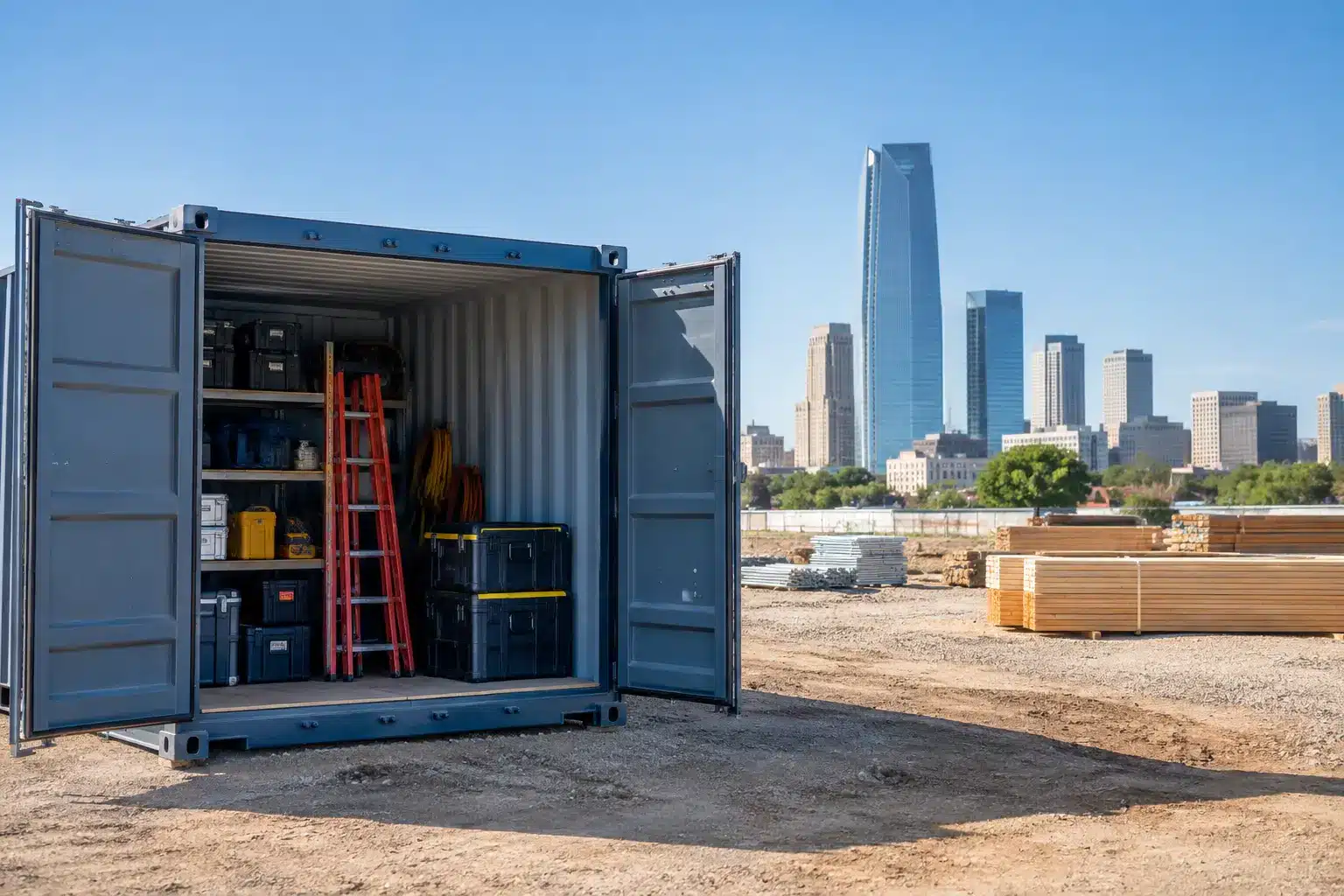
Oklahoma City Jobsite Storage That Works Harder
A job site can lose time fast when crews are hunting for tools, protecting materials from weather, or making supply runs because there is nowhere secure to keep what the project needs. Oklahoma City jobsite storage gives contractors a practical way to keep essential equipment where the work is happening, without turning a trailer, pickup, or unfinished building into a catch-all storage area.
For many projects, the right storage setup is not about having more space. It is about having dependable space that is easy to access, tough enough for the conditions, and available for as long as the schedule requires. A portable steel storage container can meet that need while helping the crew stay organized from the first day of site work through final punch-list items.
Why Jobsite Storage Matters on Active Projects
Construction schedules are rarely fixed for long. A delivery can arrive early, weather can push back exterior work, a subcontractor may need access before another trade is finished, or an inspection can change the order of operations. When materials and equipment have a secure home on site, those changes are easier to manage.
Keeping frequently used items nearby cuts down on unnecessary trips to the shop, warehouse, or supply house. That can mean less downtime for a crew and less reliance on one person to unlock a distant storage room or haul items back and forth each morning. For smaller contractors, those hours can add up quickly over the course of a project.
On-site storage also gives materials more protection than leaving them under a tarp, in an open trailer, or inside a partially completed structure. Lumber, fixtures, power tools, hardware, flooring, and boxed finish materials all need different levels of care, but none of them benefit from being exposed to rain, wind, dust, or jobsite traffic.
What to Look for in Oklahoma City Jobsite Storage
Not every storage option makes sense for every project. A locked trailer may work for a short repair job with a limited tool load. A warehouse may be a better fit for long-term inventory. But when your crew needs regular access at the job site, portable storage often offers the most useful middle ground.
Steel Construction and Weather Protection
Oklahoma weather can change quickly. Strong winds, heavy rain, hail, temperature swings, and blowing dust can put exposed materials at risk. A weatherproof steel container offers more dependable protection than temporary coverings and is built to handle outdoor placement for the duration of the rental.
Look for containers with solid steel construction, double-sealed doors, and ventilation. Double-sealed doors help keep out moisture and debris, while ventilation helps reduce the stale, closed-up conditions that can develop in a sealed container over time. Storage is not climate control, so sensitive materials should still be packed according to manufacturer recommendations. However, a well-built container gives most jobsite supplies a far better environment than an exposed work area.
Ground-Level Access
A container should make daily work easier, not create another loading problem. Ground-level loading lets crew members walk tools, carts, boxed materials, and equipment directly into the unit. There is no need to lift everything into a truck bed or climb a steep ramp every time someone needs a saw, a case of fasteners, or a box of fixtures.
That feature is especially helpful when the container is being accessed throughout the day. It can also reduce strain when moving heavy or awkward items. For larger equipment, confirm dimensions, weight, and access requirements before delivery so the container size and placement plan fit the job.
Level Delivery and Safe Placement
Where and how a container is delivered matters. A unit that shifts during transport can leave contents in disarray before it ever reaches the site. MODS uses a Level Lift delivery system designed to keep the container level during loading and transport, helping reduce movement inside the unit.
Before scheduling delivery, choose a firm, reasonably level location with clear access. Avoid areas likely to become deep mud after rain, locations that block active work zones, and spots where the container could interfere with deliveries, emergency access, or equipment movement. A little planning before delivery can prevent a lot of reshuffling later.
How to Set Up a Storage Container for Real Jobsite Use
The container works best when it is treated like a small, organized supply room rather than a place to stack everything until the doors barely close. The goal is simple: crew members should be able to find what they need, return it at the end of the day, and immediately see when supplies are running low.
Start by putting heavier items on the floor and distributing weight across the container. Keep frequently used tools and consumables close to the doors. Materials that are needed later in the project can go farther back, provided they are still labeled and easy to reach when the time comes.
If you are storing boxed materials, leave a narrow center aisle instead of packing wall to wall. That aisle makes inventory checks and retrieval much easier. Use shelving, bins, or clearly marked zones when the project involves a lot of small parts. Electrical supplies, plumbing fittings, safety equipment, hand tools, and finish hardware are much less likely to disappear into a mixed pile when each category has a designated location.
It also helps to assign responsibility for the container. That does not mean one person has to manage every item, but someone should check the lock, monitor inventory, and make sure the space stays usable. A container can reduce clutter on a job site, but only if the crew does not turn it into a new clutter problem.
Renting for the Schedule You Actually Have
One advantage of portable jobsite storage is that it can follow the project timeline rather than forcing the project to fit a fixed storage arrangement. Monthly rentals give contractors flexibility when a project runs longer than expected or when a customer changes the scope of work.
For example, a remodeler may need a container during demolition and rough-in to protect tools and hold incoming materials. Once the project reaches finishes, the same container can keep flooring, cabinets, fixtures, and hardware secure until installation. On a new build, it may support different trades at different stages without requiring every crew to haul its equipment away each night.
There are trade-offs to consider. If a site has very limited driveway or street access, container placement may be difficult. If you need frequent access to a large amount of stock spread across multiple projects, a central warehouse may be more efficient. If high-value items require special environmental controls, ask whether off-site storage or a different solution makes more sense.
For many local contractors, though, the ability to keep supplies on site while retaining the option to move the container or store it at a secure facility is useful. When the job wraps up, the container can be picked up instead of requiring the crew to make multiple cleanup trips with trailers and trucks.
Protecting More Than Tools
Tool theft gets attention, and for good reason, but jobsite storage also protects the project from smaller problems that create expensive delays. A misplaced box of specialty hardware, damaged fixture, wet carton of flooring, or missing piece of equipment can hold up an entire stage of work.
A locked steel container helps create a controlled place for those items. It also gives contractors a clearer picture of what is actually on site. That makes it easier to order materials accurately, avoid duplicate purchases, and keep customer-provided products separated from general supplies.
For occupied renovations, storage can make an even bigger difference. Homeowners do not want stacks of materials in the living room for weeks, and crews need room to work safely. Keeping supplies in a container outside can help preserve usable space inside the home while making daily setup and cleanup more manageable.
A Better Fit Than Repeated Trips
The right jobsite storage solution should remove friction from the workday. It should protect materials, keep equipment close, and give the crew a place to stay organized without adding another moving task to the schedule.
Before your next project begins, look at where time is being lost now: supply runs, crowded work areas, unsecured tools, weather-damaged materials, or end-of-day loading. A portable storage container may be one of the simplest ways to give the job site more order and give your crew more time to build.