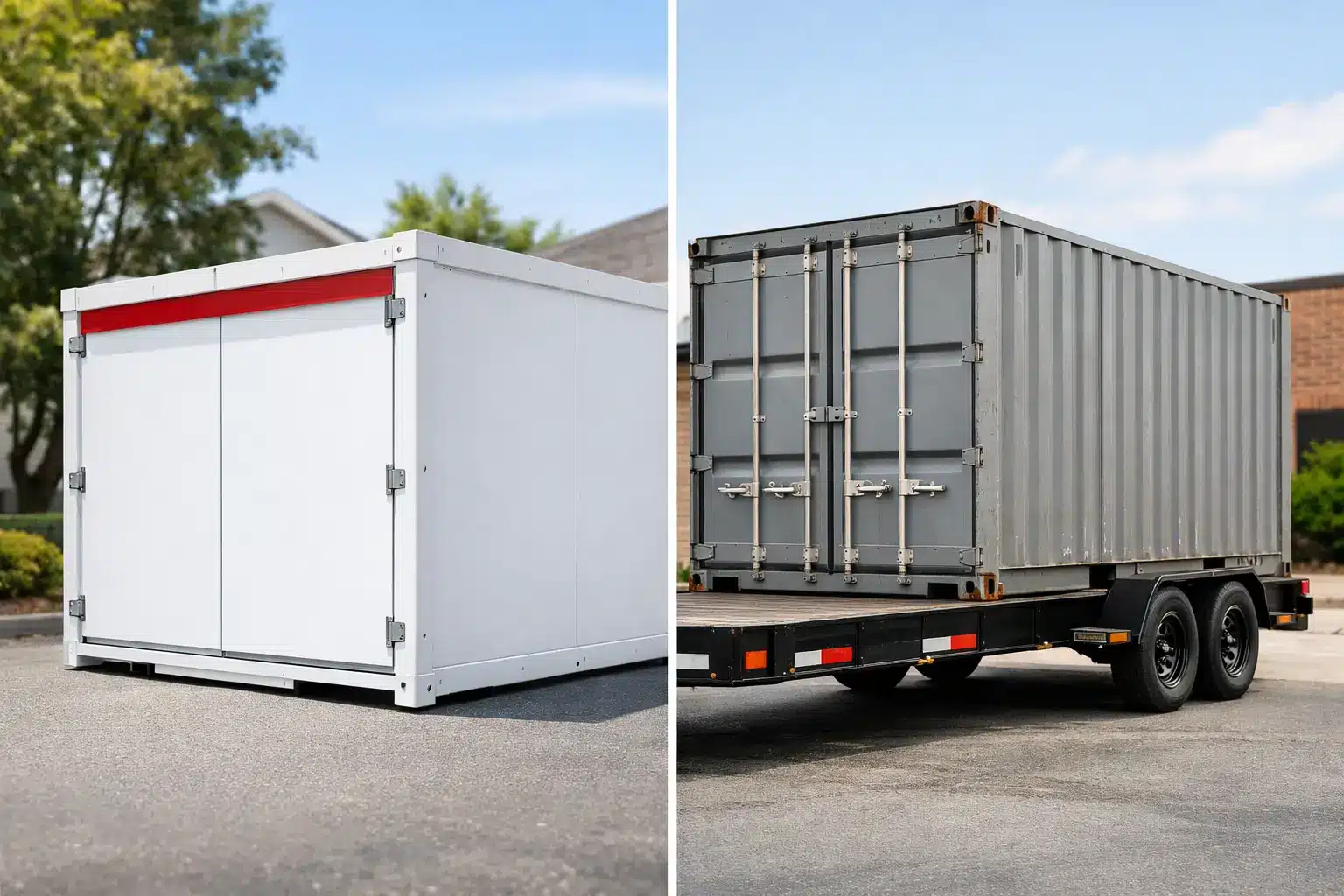
PODS Versus Local Containers for Moving and Storage
A portable storage container can take a major deadline off your moving day. You load it at ground level, keep it on-site while you sort and pack, and arrange transportation or storage when you are ready. But when comparing PODS versus local containers, the name on the container is only part of the decision. The details behind the quote, delivery, equipment, and customer service can change both the cost and the experience.
For a move, renovation, business overflow, or job-site storage need, the best option is the one that fits your timeline and gives you clear answers before delivery day.
PODS versus local containers: the practical difference
PODS is a well-known national portable storage brand with broad name recognition and service across much of the country. A local container company works in a specific region and may offer more direct access to the people coordinating your delivery, pickup, and storage.
Neither model is automatically right for every customer. A national company may make sense for certain long-distance moves, especially when its service area and schedule line up with your route. A local provider can be a strong fit when you want responsive regional service, straightforward local pricing, and a company that understands the delivery conditions in your area.
The comparison should start with your actual plan. Are you moving across town, renovating your home, storing equipment at a job site, or relocating a business office? Will the container stay in your driveway for a few days, a few months, or longer? Those answers matter more than a brand name.
Compare the full cost, not just the first quote
Portable storage pricing often includes several parts: container delivery, monthly rental, pickup, transportation, and off-site storage if you need it. Depending on the company and the move, there may also be mileage charges, fuel-related costs, or fees tied to delivery access and timing.
That is why the lowest advertised monthly rate does not always equal the lowest final bill. Ask for a clear explanation of what is included in the quote and what events could add cost later. A good provider should be able to explain the charges in plain language before you reserve a container.
For a local move in Fort Worth, Amarillo, or Oklahoma City, a regional provider may have an advantage because its routes, facilities, and service teams are built around the local market. Local operations can sometimes offer more competitive pricing for nearby transportation and storage needs. Still, compare written estimates based on the same dates, container size, and destination.
Questions that prevent quote surprises
Before booking, confirm whether the quote covers delivery and final pickup, how monthly billing works, what transportation costs apply, and what happens if your schedule changes. Also ask whether off-site storage is billed separately and whether there are access limitations once the container is stored at a facility.
A quote should make it easier to plan, not leave you guessing which line items will appear after your container is delivered.
Scheduling flexibility matters more than most people expect
Traditional moving often compresses everything into one exhausting day. Truck rentals run by the day, friends may only be available for a few hours, and self-storage requires repeated loading and unloading. A portable container gives you room to pack in stages.
With PODS or a local container provider, you generally choose a delivery window, load at your pace, and then schedule the next step. The difference is often how easily you can adjust that plan when real life intervenes. A delayed closing, a contractor running behind, a rainstorm, or a new move-in date can all affect your timeline.
Ask how much notice is needed for pickup or transportation and whether the company can accommodate changes. Local service can be especially valuable when you need to speak with someone who knows the area and can quickly explain available options. That does not mean every request can be accommodated, but clear communication can prevent a minor delay from becoming a major moving problem.
The container itself should protect what you pack
Not all portable storage containers are built or transported the same way. Look beyond the exterior logo and ask how the container protects furniture, tools, inventory, and boxed belongings.
Steel construction is a practical feature for long-term storage, weather exposure, and job-site use. Double-sealed doors help reduce the chance of outside moisture and dust entering around the door opening. Ventilation helps manage airflow inside the container, which is useful during hot Texas and Oklahoma weather when packed items may remain stored for weeks or months.
Ground-level loading is another feature that affects the experience. A container placed close to the ground lets you walk belongings in instead of carrying them up a ramp into a truck. That can make a meaningful difference when you are moving appliances, heavy boxes, office furniture, or construction materials.
Keep belongings steady during transport
How a container is moved also matters. Belongings can shift when a container is tilted during loading, pickup, or delivery. Use moving blankets, straps, and a smart loading plan regardless of who provides the container. Place heavy items low, distribute weight across the floor, and fill open spaces with lighter boxes or packing materials.
Some local providers also use equipment designed to keep the container level during transport. MODS uses a Level Lift delivery system to help reduce shifting, which can be a useful benefit for customers moving furniture, business equipment, or packed household goods.
Local knowledge can solve delivery-day problems
A portable storage container needs a safe, accessible place to sit. That sounds simple until you consider narrow driveways, slopes, low tree branches, apartment restrictions, street parking rules, gates, or a crowded construction site.
National companies have established processes for site reviews, but local companies often bring hands-on familiarity with neighborhood layouts, local weather conditions, and common access challenges in the communities they serve. For homeowners, that may mean getting practical guidance before delivery. For contractors and small businesses, it may mean working with a team that understands job-site timing and the need to keep materials secure and accessible.
Before delivery, measure the available space and identify overhead clearance. Let the provider know about steep driveways, unpaved areas, limited turning room, homeowner association restrictions, or any need to place the container on a street. A brief conversation in advance is much easier than trying to solve access issues after the truck arrives.
Consider where your container will be stored
On-site storage is ideal when you need regular access. During a renovation, for example, you can keep furniture close by without filling the garage or living around stacks of boxes. A contractor can keep tools and materials at the job site, while a retailer can use a container for temporary inventory overflow.
Off-site storage is often better when your driveway, property, or job site cannot accommodate a container for an extended period. It can also help between move-out and move-in dates. If this is your plan, ask about the security of the storage facility, access procedures, and how much notice is required to retrieve the container.
The right choice depends on access. Keeping the container at your property is convenient, but it may not work with neighborhood rules or limited space. Storing it at a facility frees up your property, but you should understand how and when you can access your items.
When a local container company may be the better fit
A local provider is often worth a close look if your move or storage project stays within its service area, you want a direct line to a regional team, or you need flexible help with local delivery conditions. It can also be the better option for homeowners who want to avoid repeated self-storage trips, businesses managing temporary inventory, and contractors who need durable job-site storage.
PODS may still be a reasonable choice if its availability, container size, and transportation network best match your long-distance plan. The goal is not to choose the biggest name. It is to choose the service that gives you the right container, a realistic schedule, dependable protection, and a price you understand.
Before you reserve, write down your delivery address, move dates, storage length, access needs, and the items you plan to pack. With those details ready, you can compare providers on the things that will actually make your move easier.